
Ever dreamt of earning passive income while showcasing your writing skills? Welcome to “Master WordPress: A Freelance Writer’s Guide to Blogging Success.” Whether you’re into freelance writing, content writing, or copywriting, mastering WordPress can help you achieve financial freedom.
This guide will take you through every step, from WordPress installation to optimization. You’ll learn how to create a stunning blog, write engaging content, and leverage SEO strategies. Imagine turning your freelance writing job into a lucrative source of passive income!
We’ll cover essential topics like SEO keyword research, on-page SEO, and SEO competitor analysis. You’ll also discover tips for WordPress customization and optimization, ensuring your blog stands out.
Ready to boost your blogging game? Dive in and transform your writing skills into a successful blog that attracts readers and generates income. Let’s embark on this exciting journey to blogging success together!
Setting Up Your WordPress Blog
Setting up your WordPress blog is the first step towards achieving blogging success and financial freedom. Whether you’re a seasoned freelance writer or just starting out, mastering WordPress can help you create a platform that showcases your writing skills and attracts a steady stream of readers. Here’s how to get started.
Choosing the Right Hosting
First things first, you need to choose the right hosting for your WordPress blog. Good hosting ensures your blog runs smoothly and loads quickly. This is crucial for keeping readers engaged and improving your SEO rankings. Popular hosting options include Bluehost, Pressable Managed Web Hosting, and WordPress.com Hosting. These hosts offer excellent performance, customer support, and easy WordPress installation.
Advertisement
When selecting a host, consider factors like uptime reliability, speed, customer service, and pricing. A good hosting provider can make a significant difference in your blogging success. Plus, a reliable host supports your goal of earning passive income by ensuring your blog is always accessible to readers.
WordPress Installation Made Easy
Once you’ve chosen your hosting provider, it’s time to install WordPress. Most hosting services offer one-click WordPress installation, making it easy even for beginners. Simply log in to your hosting account, find the WordPress installation option, and follow the prompts. In a few clicks, your blog will be live.
If your host doesn’t offer one-click installation, don’t worry. Manual installation is still straightforward. Download WordPress from WordPress.org, upload it to your hosting account via FTP, and run the installation script. Detailed guides are available online to help you through each step.
Selecting a Theme
Your blog’s theme sets the tone for your content and impacts user experience. Choose a theme that reflects your style and the type of writing you do. WordPress offers thousands of free and premium themes, so you have plenty of options. Look for a theme that is responsive, meaning it looks great on all devices, from desktops to smartphones.
A clean, professional theme can enhance readability and keep visitors on your site longer. This is crucial for building a loyal readership and generating income. Popular theme providers include ThemeForest, Elegant Themes, and StudioPress. Investing in a high-quality theme can pay off in the long run.
Customizing Your WordPress Blog
Customizing your WordPress blog is where the fun begins! Making your blog look and feel unique not only reflects your personal style but also helps you stand out in the crowded blogging world. Let’s dive into the key steps to customize your WordPress blog and turn it into a magnet for readers and potential clients.

Personalizing Your Theme
Once you’ve chosen your theme, it’s time to make it your own. Use the WordPress Customizer tool to adjust your site’s colors, fonts, and layout. Consistent branding helps create a professional look. Incorporate your brand colors and typography to make your blog visually appealing. This cohesion strengthens your brand identity and helps build a loyal readership.
Installing Essential Plugins
Plugins add functionality to your WordPress blog, making it easier to manage and enhance its capabilities. Some essential plugins for freelance writers include:
- Yoast SEO: Optimizes your content for search engines, helping you rank higher in search results.
- Jetpack: Offers security, performance, and site management tools.
- Grammarly: Checks your writing for grammar and spelling errors directly within WordPress.
- Akismet Anti-Spam: Keeps your blog free from spam comments.
Installing these plugins is simple. Go to your WordPress dashboard, click on “Plugins,” then “Add New,” and search for the plugin you need. Once found, click “Install” and then “Activate.” These plugins will significantly improve your blog’s functionality and ease of use.
Personalizing Your Design
Customizing your blog’s design makes it uniquely yours. Start by personalizing your theme with your brand colors, fonts, and logo. This creates a cohesive look that reflects your style and the content you offer.
WordPress’ customizer tool allows you to make these changes easily. You can adjust your site’s appearance in real-time, seeing the changes as you make them. Focus on creating a clean, easy-to-navigate design that enhances user experience. A well-designed blog can keep visitors engaged and encourage them to explore more of your content.
Adding Key Pages
Every successful blog needs a few key pages. These pages provide important information to your readers and help establish your credibility. Essential pages to include are:
- About: Share your story, your writing journey, and what readers can expect from your blog.
- Contact: Provide a way for readers to reach you. Include a contact form, email address, and social media links.
- Services: If you offer freelance writing or SEO consultation services, detail them here. Include information on how potential clients can hire you.
These pages help build trust with your audience and can lead to new opportunities. An engaging About page can connect you with readers on a personal level, while a clear Contact page makes it easy for potential clients to get in touch.
Creating a Custom Menu
A well-organized menu helps visitors navigate your blog easily. To create a custom menu, go to “Appearance” and then “Menus” in your WordPress dashboard. Add important pages like About, Contact, and Blog. You can also add categories to organize your posts.
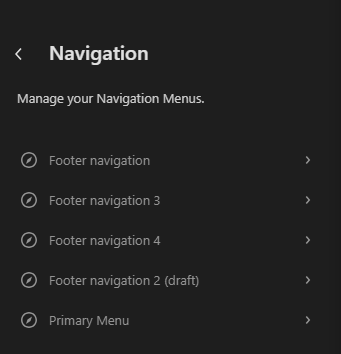
Drag and drop menu items to arrange them in a logical order. A clear and intuitive menu enhances user experience, making it easier for readers to find what they’re looking for. This can increase engagement and keep visitors on your site longer.
Adding Widgets
Widgets are small blocks that add content and features to your sidebar, footer, and other widget-ready areas. To add widgets, go to “Appearance” and then “Widgets” in your WordPress dashboard. Common widgets for freelance writers include:
- Search Bar: Helps visitors find specific content quickly.
- Recent Posts: Showcases your latest blog posts.
- Categories: Organizes your posts by topic.
- Social Media Links: Connects your readers to your social media profiles.
Widgets enhance the usability and functionality of your blog, providing visitors with quick access to key content and features.
Customizing Your Sidebar
The sidebar is prime real estate on your blog. Use it to highlight important information and engage your readers. Common sidebar elements include an About Me section, a newsletter signup form, and links to popular posts.
To customize your sidebar, go to “Appearance” and then “Widgets.” Drag and drop widgets into the sidebar area. An engaging sidebar can keep readers on your blog longer and encourage them to explore more content.
Optimizing Your Blog for SEO
Optimizing your blog for SEO is crucial for attracting traffic and increasing your passive income. Use SEO strategies to improve your blog’s visibility on search engines. Start with SEO keyword research to identify popular search terms related to your niche. Incorporate these keywords naturally into your posts, titles, and meta descriptions.
Focus on on-page SEO by optimizing each blog post. Use headings, bullet points, and images to make your content readable and engaging. Adding alt text to images and creating internal links between related posts also boosts your SEO.
Adding Social Media Integration
Integrating social media with your blog can expand your reach and drive more traffic. Use plugins like Social Warfare or Shareaholic to add social sharing buttons to your posts. Encourage readers to share your content on their social media profiles.
Link your blog to your social media accounts to build a cohesive online presence. Sharing your blog posts on platforms like Twitter, Facebook, and LinkedIn can attract new readers and potential clients.
Building an Email List
Building an email list is a powerful way to connect with your audience and drive traffic to your blog. Offer a freebie, like an e-book or a guide, in exchange for email subscriptions. Use plugins like Mailchimp or ConvertKit to create and manage your email list.
Send regular newsletters featuring your latest posts, tips, and exclusive content. An engaged email list can boost your blog traffic and help you achieve financial freedom through freelance writing.
Regularly Updating Your Content
Keeping your blog fresh with regular updates is key to maintaining reader interest and improving SEO. Create a content calendar to plan and schedule your posts. Aim to publish consistently, whether it’s weekly, bi-weekly, or monthly.
Update old posts with new information and optimize them for SEO. Regularly refreshed content signals to search engines that your blog is active, improving your rankings and driving more traffic.
Optimizing Your Content for SEO
Optimizing your content for SEO is crucial for driving traffic to your blog and achieving financial freedom. As a freelance writer, you want your articles to rank high on search engines and attract readers. Here’s how to do it effectively.

Understanding SEO Basics
SEO, or Search Engine Optimization, is the practice of making your blog content more visible to search engines. The better your SEO, the higher your content ranks, and the more readers you attract. Good SEO practices can turn your blog into a passive income generator. Let’s dive into some fundamental strategies.
Conducting SEO Keyword Research
SEO keyword research is the foundation of any successful SEO strategy. It involves identifying the words and phrases people are searching for in your niche. Tools like Google Keyword Planner, Ahrefs, and SEMrush can help you find the best keywords for your blog.
Start by brainstorming a list of topics related to your niche. For example, if you write about freelance writing, you might focus on keywords like “freelance writing jobs,” “writing skills,” and “content writing.” Enter these terms into your keyword research tool to discover related keywords and their search volumes.
Choose keywords with a good balance of search volume and competition. High-volume, low-competition keywords are ideal, but they can be hard to find. Aim for keywords that are relevant to your content and have a decent search volume.
Crafting SEO-Friendly Titles and Headings
Your title is the first thing readers and search engines see, so make it count. An SEO-friendly title includes your primary keyword and grabs attention. For example, “Top Tips for Freelance Writing Success” is engaging and keyword-rich.
Use headings (H1, H2, H3) to structure your content and include keywords naturally. Headings break up your text, making it easier to read. They also help search engines understand your content’s structure. For example, an H2 heading might be “Writing Skills Every Freelancer Needs.”
Writing High-Quality SEO Content
Quality content is king when it comes to SEO. Your articles should be informative, engaging, and valuable to your readers. Use your writing skills to craft content that answers questions, solves problems, and provides insights.
Include your keywords naturally within the text. Avoid keyword stuffing, which can make your content hard to read and negatively impact your rankings. Aim for a keyword density of around 1-2%, meaning your keyword should appear once or twice per 100 words.
Incorporate related keywords and synonyms to give your content a natural flow. This helps you rank for multiple search terms and improves readability. Tools like Yoast SEO can guide you optimize your content for better rankings.
Utilizing On-Page SEO Techniques
On-page SEO involves optimizing individual pages to rank higher in search results. This includes using keywords in your titles, headings, and throughout the text. Here are some on-page SEO techniques to consider:
- Meta Descriptions: Write compelling meta descriptions that include your primary keyword. This summary appears in search results and can entice readers to click.
- Alt Text for Images: Add descriptive alt text to your images. This helps search engines understand what the images are about and improves your SEO.
- Internal Linking: Link to other relevant posts on your blog. Internal links help readers discover more of your content and keep them on your site longer.
- External Linking: Link to authoritative sources to back up your points. This adds credibility to your content and improves your SEO.
Analyzing SEO Competitors
SEO competitor analysis helps you understand what works for others in your niche. Look at the top-ranking blogs and analyze their content, keyword usage, and SEO strategies. Tools like Ahrefs and SEMrush can help you see which keywords your competitors are ranking for and how they optimize their content.
Identify gaps in their content that you can fill. For example, if a competitor’s post lacks depth on a particular topic, you can write a more comprehensive article. Analyzing your competitors’ SEO strategies gives you insights into what works and helps you improve your own content.
Monitoring and Adjusting Your SEO Strategy
SEO is not a set-it-and-forget-it task. Regularly monitor your blog’s performance using tools like Google Analytics and Google Search Console. These tools provide insights into your traffic, keyword rankings, and user behavior.
Pay attention to which posts are performing well and which aren’t. Adjust your SEO strategy based on this data. For example, if a post is underperforming, update it with new information, better keywords, and improved SEO techniques.
Regularly update your old posts to keep them relevant and optimized. Search engines favor fresh content, so updating old posts can boost their rankings. Aim to review and update your posts every few months.
Seeking SEO Consultation
If you’re new to SEO or want to improve your strategy, consider seeking an SEO consultation. An SEO expert can provide personalized advice, conduct an SEO audit, and help you optimize your blog. Investing in an SEO consultation can pay off by significantly increasing your traffic and passive income.
Monetizing Your WordPress Blog
Monetizing your WordPress blog is an exciting step toward achieving financial freedom. With the right strategies, you can turn your writing skills into a steady stream of passive income. Let’s explore the best ways to monetize your blog and maximize your earnings.

Affiliate Marketing
Affiliate marketing is one of the most popular ways to earn passive income. It involves promoting products or services and earning a commission for each sale made through your affiliate link. Start by joining affiliate programs relevant to your niche. Amazon Associates, ShareASale, and CJ Affiliate are great places to begin.
Write honest reviews, create tutorials, or compile lists of recommended products. For example, if you write about freelance writing, you could review writing tools or courses. Include your affiliate links in these posts. The key is to promote products you genuinely believe in. Authenticity builds trust with your readers and increases the likelihood of conversions.
Display Advertising
Display advertising is another effective way to monetize your blog. Platforms like Google AdSense allow you to display ads on your site and earn money based on impressions or clicks. Sign up for an ad network, add the ad code to your WordPress blog, and watch the earnings roll in.
While ads can be a good source of passive income, balance is crucial. Too many ads can overwhelm your readers and make your site look cluttered. Focus on integrating ads naturally into your blog’s design to maintain a pleasant user experience.
Sponsored Posts
Sponsored posts involve writing content for a brand and getting paid for it. Brands may approach you, or you can reach out to them directly. These posts can be product reviews, tutorials, or any content that promotes the brand.
When writing sponsored posts, transparency is key. Disclose that the post is sponsored to maintain trust with your readers. High-quality sponsored content can boost your blog’s credibility and provide substantial income.
Selling Digital Products
Creating and selling digital products is a fantastic way to leverage your writing skills for passive income. Consider writing e-books, creating online courses, or designing printable templates. These products can provide ongoing revenue as long as they remain relevant and valuable.
Platforms like Teachable, Udemy, and Gumroad make it easy to sell digital products. Promote your products on your blog and through your email list. Providing valuable content builds trust and encourages readers to purchase your offerings.
Offering Services
While it’s not entirely passive, offering services through your blog can significantly boost your income. If you’re a skilled writer, offer freelance writing, copywriting, or SEO consultation services. Create a dedicated services page detailing what you offer, your rates, and how clients can contact you.
Highlighting your expertise through blog posts can attract potential clients. For example, writing about SEO strategies can showcase your knowledge and encourage readers to hire you for SEO consultations. Combining service offerings with passive income streams can diversify your earnings and increase financial stability.
Membership Sites and Subscriptions
Creating a membership site or subscription model can provide a steady stream of recurring revenue. Offer exclusive content, such as in-depth articles, tutorials, or a private community, to subscribers. Platforms like Patreon and MemberPress make it easy to set up membership sites.
Promote your membership or subscription on your blog and social media channels. Highlight the benefits of subscribing and provide a glimpse of the exclusive content. A loyal readership is more likely to subscribe, providing you with a reliable income source.
Conducting Webinars and Workshops
Hosting webinars and workshops allows you to share your expertise and earn money. Choose topics relevant to your niche and valuable to your readers. Promote these events through your blog, social media, and email list.
Charge a fee for attendance or offer premium content as an upsell. Recording these sessions and selling them as digital products later can provide ongoing revenue. Webinars and workshops position you as an authority in your niche and attract a dedicated audience.
Conclusion
Congratulations on reaching the end of “Master WordPress: A Freelance Writer’s Guide to Blogging Success.” By now, you should have a solid understanding of how to leverage WordPress to showcase your writing skills and generate passive income. From WordPress installation and customization to optimizing your content for SEO, you’ve got all the tools you need to build a successful blog.
Starting your WordPress blog is an exciting journey. It’s your platform to share your voice, attract readers, and earn financial freedom. Whether you’re into content writing, copywriting, or article writing, a well-optimized blog can significantly boost your freelance writing career.
Remember, the key to success is consistency and continual learning. Keep experimenting with different SEO strategies, engaging with your audience, and refining your content. SEO competitor analysis and keyword research will help you stay ahead in the blogging game.
Don’t be afraid to seek SEO consultation if you need extra guidance. Optimizing your blog isn’t just a one-time task; it’s an ongoing process that evolves with your blog. Keep your content fresh, and don’t forget to monetize your efforts through affiliate marketing, digital products, or sponsored posts.
Your journey to blogging success and financial freedom doesn’t end here. Keep writing, keep optimizing, and most importantly, enjoy the process. Blogging is not just a writing job; it’s a way to connect with readers and share your passion with the world. Thank you for joining me on this guide to mastering WordPress. Now, go ahead and create the blog of your dreams. Happy blogging, and may your journey be filled with creativity, success, and lots of passive income!