
Ever wonder how to make your stories not just good, but unforgettable? Here’s a little secret—using data-driven storytelling techniques can be a total game-changer. Yep, we’re talking about blending creativity with cold, hard data to craft stories that hit home with your audience. Whether you’re writing a novel, a blog post, or even a brand’s narrative, understanding how to write data-driven content can take your storytelling to the next level. And don’t worry, it’s not as complicated as it sounds. In fact, it’s all about using data in creative writing to make your stories more engaging, relevant, and impactful. Let’s dive in!

The Synergy Between Data and Creativity
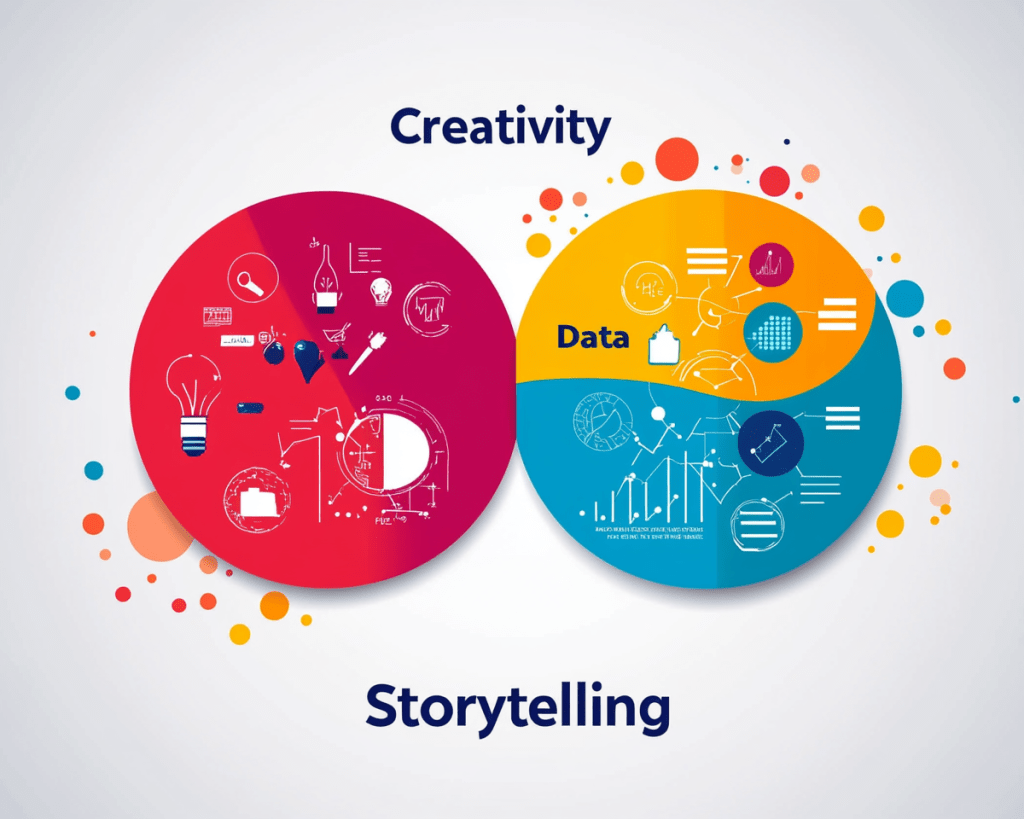
In the traditional view, data and creativity might seem like opposing forces—one grounded in logic, the other in imagination. However, when combined, they can create a powerful synergy that enhances storytelling in unprecedented ways.
Understanding Audience Preferences
Let’s be real—creating content that truly resonates with your audience can sometimes feel like a shot in the dark. But what if you had a flashlight? That’s where data-driven storytelling comes in handy. By tapping into audience data, like demographics, reading habits, or even social media chatter, you can get a clear picture of what your readers crave. Imagine knowing exactly what themes, characters, or topics are trending among your audience. It’s like having a cheat sheet that helps you craft stories that are not only engaging but also deeply relatable. So, the next time you sit down to write, consider letting data guide your creativity a bit. It’s not about restricting your ideas, but rather enhancing them with insights that make your stories hit home.
Inspiration Through Analytics
Who says data can’t be inspiring? When it comes to using data in creative writing, think of analytics as your new muse. Ever find yourself stuck on what to write next? Instead of staring at a blank page, why not dive into some data? Tools like Google Trends or social media analytics can reveal what topics are buzzing right now. You might discover a hot new trend or an emerging theme that sparks your next big idea. And the best part? You’re not just following trends blindly; you’re crafting content that’s timely, relevant, and more likely to catch your audience’s eye. So, when in doubt, let data give your creativity that extra push.
Balancing Creativity with Structure
Okay, so you’ve got the data. Now what? The trick is to use it without letting it stifle your creativity. Data-driven storytelling isn’t about following a strict formula—it’s about finding that sweet spot where data informs your story without taking over. Maybe your data suggests a certain character archetype is popular. Great! Use that as a starting point, but don’t be afraid to put your unique spin on it. It’s all about balance. Let the data guide you, but keep your creative instincts in the driver’s seat. After all, the best stories are those that are both well-informed and uniquely crafted.
Practical Techniques for Data-Driven Storytelling
Integrating data into storytelling might seem daunting at first, but with the right techniques, it can become a seamless part of your creative process. Here are some practical strategies to get started:

Leveraging Content Performance Metrics
Let’s talk about how to write data-driven content that actually resonates. The first step? Dive into your content performance metrics. I know, I know—numbers might not seem like the most exciting part of storytelling, but trust me, they’re gold. By examining which of your previous stories got the most clicks, shares, or comments, you can start to see patterns. Maybe your audience loves a good plot twist, or perhaps they’re drawn to certain themes like adventure or romance. Use this data as a guide to shape your future stories. It’s like having a map that shows you exactly where your readers’ interests lie. So, before you start your next big project, take a moment to see what’s worked well before—it might just lead you to your next hit.
Using Data to Shape Characters and Plots
Creating characters and plots that stick with readers can be tricky, but here’s a tip: let data do some of the heavy lifting. Imagine you’re writing a novel, and you’re trying to decide on your protagonist’s traits. Why not check out social media trends or reader feedback to see which types of characters are currently popular? Maybe there’s a surge in interest for strong, independent female leads, or perhaps readers are loving morally complex villains. You can use this information to craft characters that not only fit your story but also appeal to current reader preferences. The same goes for your plot—data can reveal what twists or narrative arcs are keeping people on the edge of their seats. Incorporating these insights doesn’t mean you’re sacrificing creativity; it’s about enhancing your storytelling with elements you know your audience will love.
Experimenting with A/B Testing in Writing
Ever thought about using A/B testing for your stories? It’s a technique often used in marketing, but it’s also a fantastic way to refine your writing. Here’s how it works: you write two different versions of a story element—maybe two different endings or two takes on a pivotal scene—and share them with your audience to see which one resonates more. This approach gives you direct feedback on what works best, allowing you to fine-tune your story based on real reader preferences. Plus, it’s a fun way to experiment with your writing and see which creative choices make the biggest impact. Using data in creative writing doesn’t have to be a chore; it can actually open up new possibilities and help you connect with your readers on a deeper level.
Case Studies: Success Stories of Data-Driven Storytelling
To illustrate the power of data-driven storytelling, let’s explore a few case studies where data significantly enhanced the creative process and outcome.

Netflix’s Success with Data-Driven Content Creation
Let’s kick things off with a giant in data-driven storytelling—Netflix. This streaming service is famous for its ability to create content that hooks viewers right from the start. How do they do it? By diving deep into data. Netflix analyzes viewer habits, preferences, and even when people hit pause or rewind. They use this information to create shows and movies tailored to what their audience loves. A perfect example is “House of Cards.” Netflix noticed a demand for political dramas and strong leads like Kevin Spacey, and they delivered a show that became an instant hit. This kind of data-driven storytelling is all about giving people what they didn’t even know they wanted, making Netflix a leader in how to write data-driven content that keeps people coming back for more.
The New York Times and Audience Engagement
Next up, let’s talk about The New York Times. This legendary publication has embraced data-driven storytelling to stay relevant in a rapidly changing media landscape. By analyzing reader engagement—like how long people spend on articles and which pieces get the most shares—The New York Times tailors its content to what readers find most engaging. Their interactive features, like data visualizations and dynamic stories, are prime examples of using data in creative writing to enhance the reader experience. They’re not just telling stories; they’re crafting experiences that resonate deeply with their audience. This approach has not only kept The New York Times at the forefront of journalism but has also shown how data can breathe new life into traditional storytelling.
Authors Using Data for Book Marketing
Finally, let’s look at how authors are using data to up their game. In the world of self-publishing, data-driven storytelling doesn’t just stop at writing—it extends to marketing too. Authors are using data from book sales, reader reviews, and market trends to shape their stories and promotional strategies. For example, if data shows a spike in interest for dystopian fiction, an author might tweak their book’s plot to tap into that trend or highlight certain elements in their marketing campaigns. This approach not only helps in crafting a story that readers are eager to pick up but also ensures that the book reaches its target audience more effectively. By using data to guide both the creative and business sides of writing, authors are finding new ways to succeed in an increasingly competitive market.
These case studies highlight the power of data-driven storytelling, showing how creativity combined with data can lead to outstanding success. Whether you’re a streaming giant, a renowned publication, or an independent author, using data in creative writing can help you connect with your audience on a whole new level.
And there you have it—a deep dive into the world of data-driven storytelling. It’s clear that using data in creative writing isn’t about stifling your creativity; it’s about enhancing it. By understanding how to write data-driven content, you can craft stories that truly resonate with your audience, turning them into loyal readers or viewers. Whether you’re inspired by Netflix’s savvy use of viewer data or The New York Times’ engagement strategies, one thing’s for sure—data and creativity make a powerful pair. So, why not give it a try? Your next great story could be just a data point away!
If you’re excited to take your storytelling to the next level with data-driven techniques, why not join our community at PassiveWriting.com? You’ll get access to exclusive tips, in-depth guides, and the latest trends in creative writing. Plus, you’ll be part of a supportive group of writers who are all about enhancing their craft. Ready to unlock the full potential of your writing? Subscribe now, and let’s create something amazing together! Don’t miss out—your next big story could start with just one click!