Artificial Intelligence (AI) has revolutionized how we think about creativity. From generating art, music, and even literature, AI tools like MidJourney, DALL·E, and ChatGPT have opened doors that were once unimaginable. But this shift raises many ethical questions—chief among them is whether AI can truly be creative, and if so, who owns the creations? As we dive into the moral maze of AI creativity ethics, we’ll explore the philosophical, legal, and societal concerns surrounding AI-generated art.
Defining AI Creativity Ethics: What Does Creativity Mean When AI Is Involved?
Before diving into the ethical concerns, it’s important to understand what we mean by “AI creativity ethics.” Creativity has always been seen as a uniquely human trait, tied to emotion, experience, and intellect. When AI steps into the creative process, it challenges this very idea.

AI doesn’t create the way humans do. Instead, it uses algorithms to analyze data and produce something new based on patterns it detects. For example, when you feed thousands of paintings into an AI art generator, it learns the styles, themes, and color patterns of those works and then uses that information to produce something “new.” But is that truly creativity, or is it merely a reflection of human input?
The AI “Artist” Who Got Famous
One famous story is of an AI-created painting titled Portrait of Edmond de Belamy, which sold for a whopping $432,500 at an auction in 2018. The work wasn’t painted by a human hand but generated by an algorithm. While the creators of the AI software reaped the financial rewards, it sparked a heated debate: is the algorithm the artist, or are the human developers behind it the true creators?
This story encapsulates the core of AI creativity ethics—who deserves credit when creativity is no longer a solely human endeavor?
Moral Dilemmas in AI-Generated Art: The Ethical Questions AI Art Raises for Human Creators
AI-generated art raises multiple ethical questions, particularly concerning the integrity and originality of creative works. Since AI-generated content is based on pre-existing human art, it raises issues about copying, intellectual property, and artistic value.
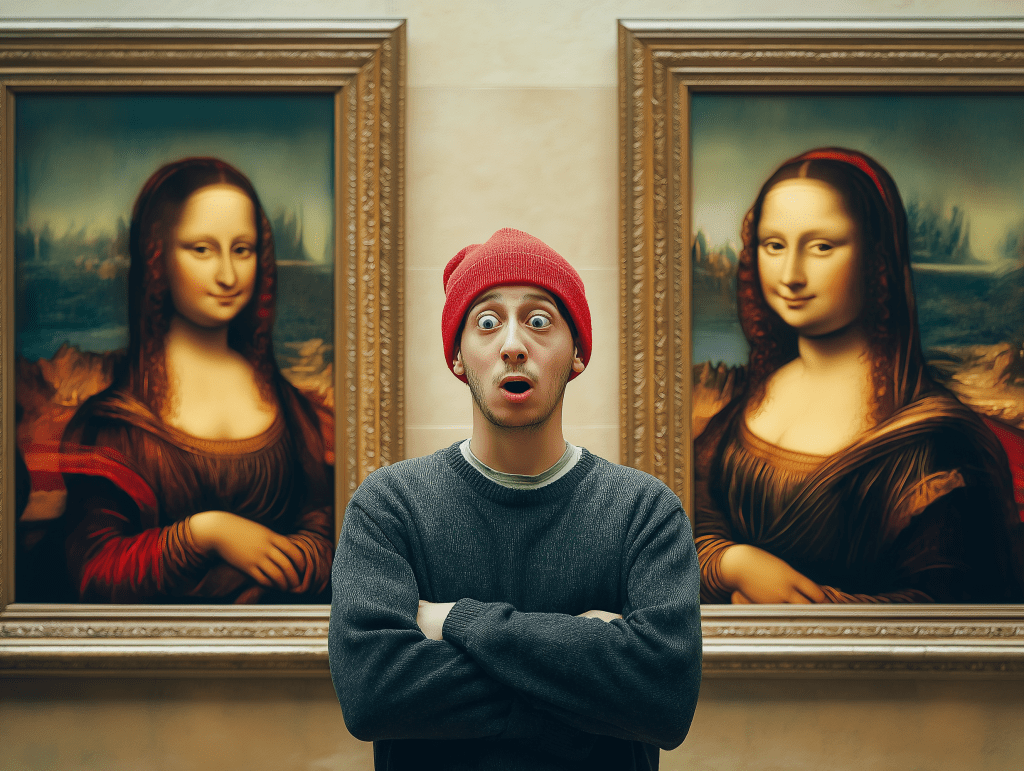
Is it ethical for an AI to generate an artwork that mimics styles without giving credit to the original artist? The issue becomes even more complex when money is involved. Artists spend years mastering their craft, only for AI tools to generate similar works in seconds, potentially undercutting the value of human-created art.
The Case of the AI “Copycat”
In 2020, a controversy arose when an artist discovered that an AI-generated artwork resembled one of their paintings almost exactly. The AI had been trained using a database that included the artist’s work without their knowledge or consent. While the creators of the AI claimed that the work was “original” in the sense that the AI had created it, the human artist felt their work had been exploited.
This scenario leads to questions about AI and copyright issues: Should the original artist be compensated or credited? And how do we draw the line between inspiration and plagiarism when it comes to AI creativity ethics?
The Impact on Traditional Artists: How AI Creativity Affects the Livelihoods of Human Artists
One of the most significant ethical concerns in the AI and creative fields is the impact on human livelihoods. As AI becomes more advanced and accessible, the demand for AI-generated art is growing. This could potentially devalue the work of traditional artists, leading to reduced income, fewer opportunities, and even the extinction of certain forms of art.

Many artists fear that the rise of AI could lead to a world where their creative efforts are replaced by algorithms, devaluing human talent. While some argue that AI tools can enhance human creativity by acting as a collaborative tool, others see them as a threat to the artist’s very existence.
The Struggling Illustrator
Take the story of Sarah, a freelance illustrator who has been working in the industry for over a decade. With the advent of AI-generated art, Sarah noticed that many of her clients began opting for AI-created logos and illustrations instead of hiring her. “I can’t compete with the speed or the low cost of AI,” she explained. While she understands that AI can be a helpful tool, she feels that the market is starting to devalue the uniqueness and emotion that come with human-created art.
Sarah’s experience highlights a key concern in AI creativity ethics—should human art be seen as inherently more valuable than AI-generated art? And how can artists protect their livelihoods in an increasingly automated world?
Can AI Be Truly Creative?: The Philosophical Debate Over Whether AI Can Possess True Creativity
One of the most debated questions in the AI creativity ethics space is whether AI can be truly creative or if it is merely replicating patterns and data it’s been fed. Creativity has always been tied to the human experience—our emotions, our histories, and our ability to imagine the unknown. Can an algorithm, which lacks these qualities, ever achieve true creativity?
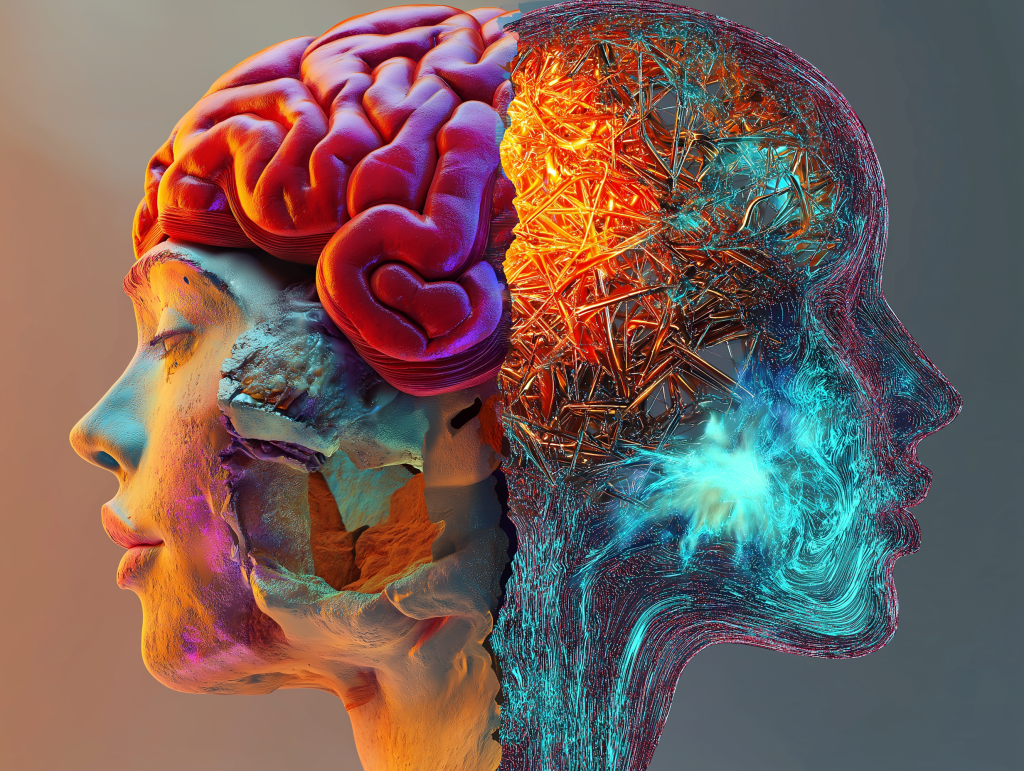
Supporters of AI argue that, since the AI generates something new from existing data, it is, by definition, creative. Others contend that true creativity requires intent, emotion, and purpose—qualities that machines do not possess.
The AI Composer
A recent example of this debate centers around an AI program that composed a classical music piece in the style of Bach. While listeners marveled at how closely the composition resembled Bach’s works, critics pointed out that the AI didn’t compose with intent or emotion. It merely mimicked patterns found in Bach’s original music.
This raises a philosophical question central to AI creativity ethics: Is creativity merely about generating something new, or does it require a deeper connection to human experience?
AI Creativity in the Future: A Look Ahead at How AI and Creativity Will Continue to Evolve
As AI creativity ethics continue to evolve, so too will the relationship between AI and the creative world. Many predict that AI will become an indispensable tool in creative industries, helping artists streamline their processes and even collaborate with AI programs to create entirely new forms of art. However, the ethical concerns surrounding ownership of AI-generated content and AI art copyright laws will likely intensify.
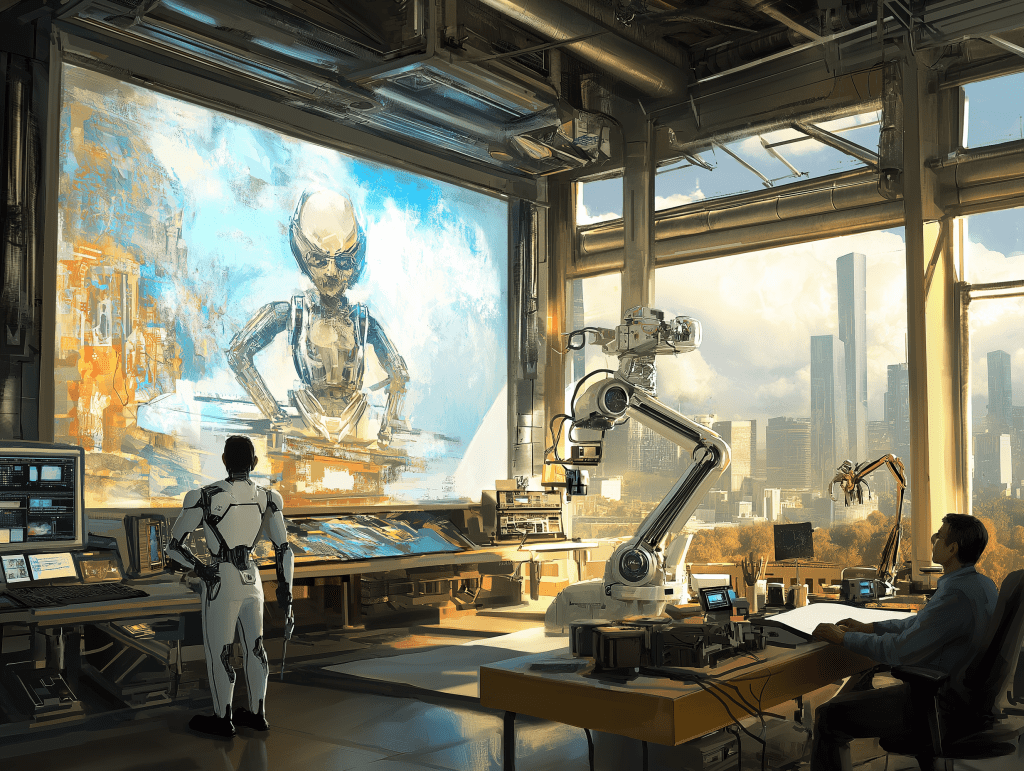
One potential outcome is that AI will push the boundaries of what we consider art, leading to new genres and forms that we haven’t yet imagined. However, this will also require that we rethink copyright laws and create new systems that protect human artists while acknowledging the role of AI in the creative process.
The AI-Human Collaboration
In 2022, an artist named Ava collaborated with an AI to create a series of digital artworks that blurred the lines between human and machine creativity. Ava provided the initial concept sketches, while the AI filled in the details based on the artist’s input. The result was a stunning collection that received critical acclaim, not only for its beauty but also for the groundbreaking nature of the collaboration.
This story offers a glimpse into the future of AI creativity. Instead of AI replacing artists, it may become a tool for amplifying human creativity. As long as we navigate the ethical concerns responsibly, AI and humans could create beautiful art together for years to come.
Conclusion
Navigating the moral maze of AI creativity ethics is no small task. From questions about ownership of AI-generated content to concerns about the impact on human artists, the ethical challenges are vast and complex. Yet, as we’ve seen in this article, these challenges also offer opportunities for innovation, collaboration, and new forms of creativity.
As we move forward, it’s crucial that we address these ethical issues head-on. By doing so, we can ensure that AI enhances, rather than diminishes, the creative potential of both machines and humans.
Enjoyed exploring the ethics of AI in creativity? Subscribe to my blog for more insights! IT’s FREE!! Don’t miss out—follow me on social media for updates and fresh content straight to your feed!