Freelancers, especially writers, have been buzzing about the rise of AI in recent years. With tools like Jasper and ChatGPT making headlines, many wonder if these AI writing tools will eventually replace human writers. Should freelance writers be worried, or is this just another passing trend? Let’s break it down and explore how AI tools are affecting freelance writing and whether you should fear them or embrace them.
The Rise of AI Writing Tools
It’s no secret that AI-generated content in writing has been gaining momentum. AI writing tools have evolved from basic spell-checkers to sophisticated platforms capable of generating articles, blogs, and even creative fiction. Tools like Jasper can craft a blog post in minutes, and ChatGPT can answer almost any writing prompt thrown its way.
So, what does this mean for freelance writers? The truth is, AI tools are not only speeding up content production but also revolutionizing how writers approach their work. I remember a friend of mine, Rachel, a seasoned freelance writer, trying out Jasper for the first time. Her initial fear was that AI would diminish her creativity, but she quickly discovered that Jasper was a time-saver for drafting outlines and repetitive content. The tool allowed her to focus on the finer details, like adding her unique voice and refining the structure.
This rapid rise of AI writing tools has led many to ask the big question: Will AI replace freelance writers? Let’s dive deeper to understand what AI brings to the table and how it compares to human writers.
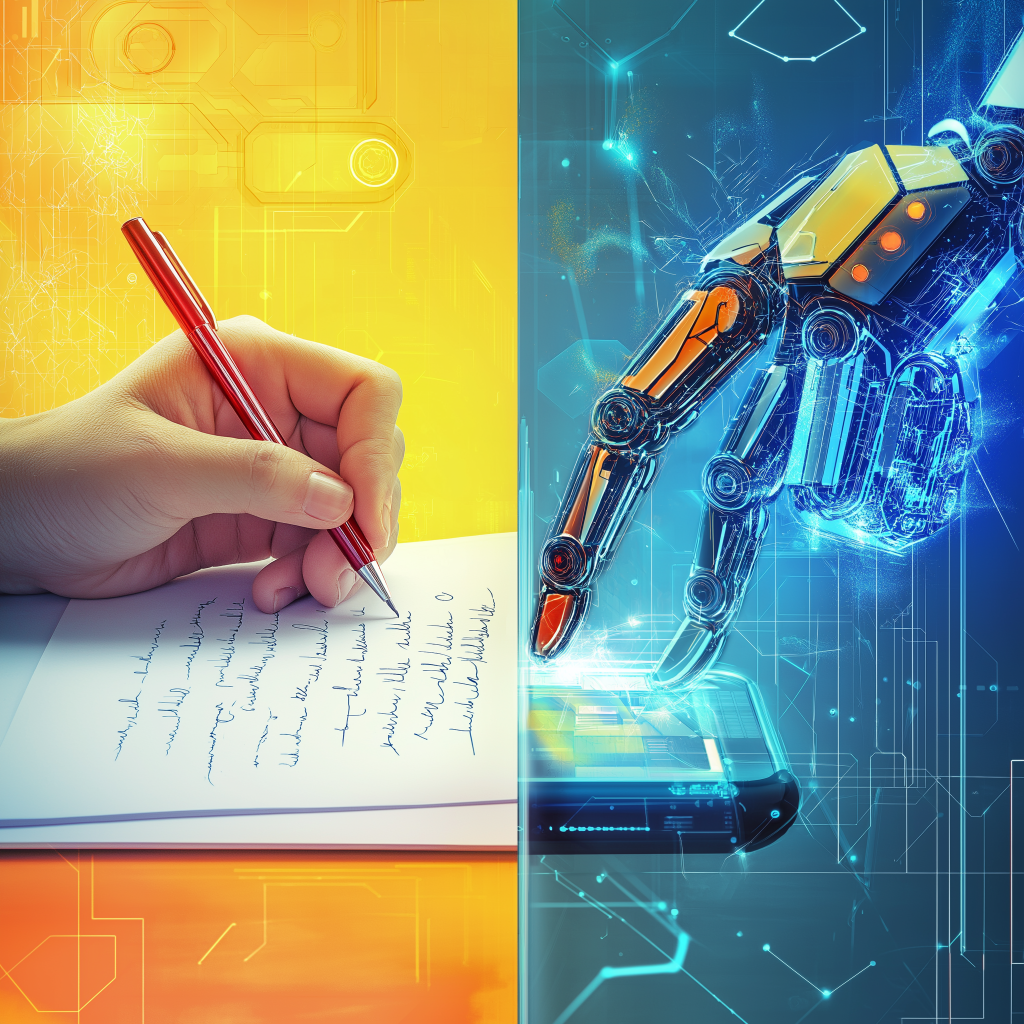
AI Writing Tools vs. Human Writers
When comparing AI tools to human writers, it’s essential to look at factors like speed, quality, and creativity. AI writing tools are great at cranking out content at lightning speed, but does that mean they can produce content that rivals human creativity?
Speed
Without a doubt, AI tools like Jasper and ChatGPT win in terms of speed. While a human writer might take several hours to research, outline, and write a blog post, an AI tool can generate a first draft in minutes. But faster doesn’t always mean better. AI-generated content often requires heavy editing and lacks the nuance that a human writer naturally brings to the table.
For example, my colleague James, who runs a digital marketing agency, once tested ChatGPT to write an entire landing page. While it spit out a quick draft, James spent twice the time tweaking the tone and refining the call-to-action to align with his brand’s voice. Sure, AI saved time in the initial stages, but it still needed human expertise to give the content personality and warmth.
Quality
This brings us to quality. AI writing tools are good at following formulas and adhering to structured guidelines, but when it comes to high-quality, engaging content, human writers still have the upper hand. AI often struggles with understanding tone, subtle humor, and the emotional depth required for storytelling. This is especially true in creative writing, where character development, emotional engagement, and plot complexity are crucial.
Imagine reading a novel written entirely by AI. The story might flow, and the grammar could be spot-on, but would it move you the way a human-authored novel can? Probably not. That’s because AI-generated content is typically based on existing data and patterns—it lacks true imagination.
Creativity
While AI tools are excellent at following instructions, creativity is where humans truly shine. A freelance writer can take a simple brief and turn it into a compelling narrative with original ideas, metaphors, and a personal touch. AI, on the other hand, relies on pre-existing data to generate content. It cannot invent new concepts or tap into lived experiences, which are often the essence of great storytelling.
A real-life example of this came when my friend Sara, a freelance journalist, used an AI tool to generate article ideas. While the AI provided some useful suggestions, it failed to capture the fresh, out-of-the-box perspectives that Sara could come up with on her own.
How Freelancers Can Benefit from AI
Instead of fearing that AI will replace them, freelance writers should see AI as a powerful tool to enhance their productivity. Think of AI as a collaborator rather than a competitor. By integrating AI into your workflow, you can save time on tedious tasks and focus more on what you do best: creating engaging, thoughtful content.

Here are some ways freelancers can benefit from AI:
Streamline Repetitive Tasks
AI writing tools excel at automating repetitive tasks. Need to write product descriptions or SEO-focused blog posts? Let AI handle the heavy lifting. You can quickly generate drafts and then go back to add your unique voice and creativity. This way, you’ll spend less time on mundane tasks and more time crafting personalized content.
A good example is when I used Jasper to generate descriptions for an e-commerce project. Instead of spending hours churning out 100 similar product descriptions, Jasper handled the bulk of the work, allowing me to focus on fine-tuning and branding.
Boost Content Volume
Freelancers often find themselves juggling multiple projects at once. With AI tools, you can significantly increase your content output without sacrificing quality. This allows you to take on more clients and meet deadlines more efficiently.
For instance, a writer I know, Jane, leveraged AI tools to meet a last-minute deadline for a major client. She used the AI-generated draft as a foundation, allowing her to edit and personalize the content quickly. In the end, her client was thrilled, and she managed to secure more work from them!
Enhancing Research
AI tools can also help with research. Need to pull data, statistics, or supporting details? AI writing tools for freelancerscan provide quick insights and sources, leaving you more time to focus on writing.
The Limitations of AI-Generated Content
While AI tools have their strengths, there are limitations to AI-generated content that no writer should ignore. AI struggles with tasks that require emotional intelligence, originality, and deep storytelling, all of which are crucial to creative writing.
Lack of Emotional Depth
AI cannot feel, and as a result, it can’t write stories or content that resonate on a deeply emotional level. Human writers are able to draw from their experiences, emotions, and perspectives to craft content that truly connects with readers. Whether it’s a heartfelt blog post or a touching short story, these human elements are what make writing so powerful.
For example, a friend of mine who writes personal essays tried using AI to generate content about her experiences as a single mom. While the AI-generated content was factually correct, it lacked the emotional depth and vulnerability that made her stories so compelling to her readers.
Creativity and Originality
As mentioned earlier, AI-generated content in writing relies on patterns and data. While it can produce readable content, it lacks true originality. An AI tool can’t have a “eureka” moment or come up with an entirely new idea. It can only build upon what has already been created by humans.
This limitation is especially relevant in fields like fiction writing, where originality and creativity are paramount. AI might be able to write a decent short story, but it won’t be inventing the next Harry Potter or Lord of the Rings anytime soon.
Conclusion
So, will AI tools replace freelance writers? The short answer is no. While AI writing tools are becoming more advanced, they are not a replacement for the creativity, emotional intelligence, and originality that human writers bring to the table. Instead of fearing AI, freelancers should embrace these tools as productivity enhancers, allowing them to work smarter, not harder. The future of AI in content creation isn’t about replacing writers—it’s about giving them more time to focus on what truly matters: creating great content.