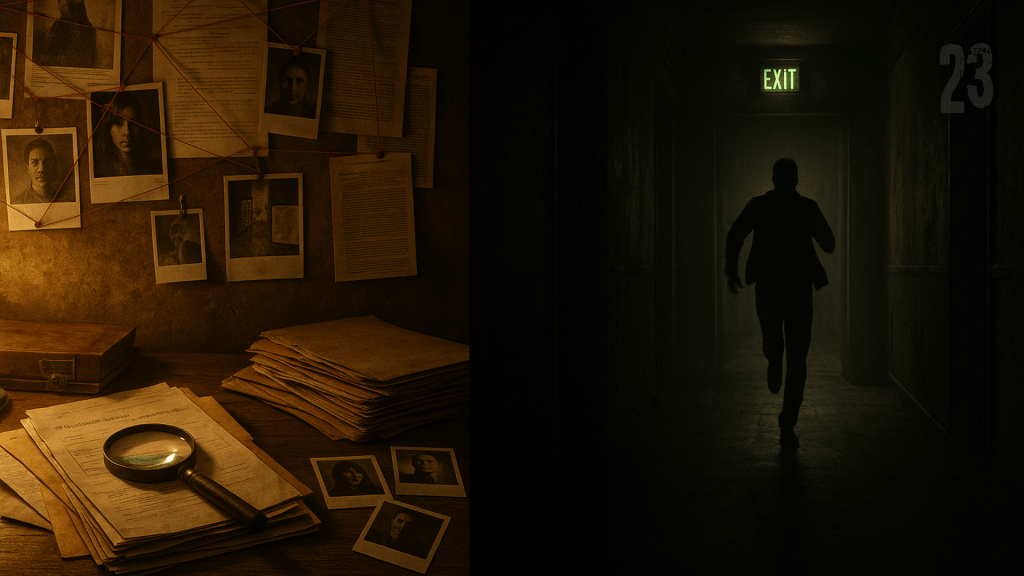
Storytelling is an ancient art that has the power to captivate, inspire, and connect with readers on a deep, emotional level. When applied to blogging, storytelling transforms your content from mere information into a compelling narrative that engages your audience, making them eager to return for more. In this article, we’ll explore the importance of storytelling in blogging, offer step-by-step guidance on incorporating storytelling into your writing, and share tips from professional writers to help you master this essential skill.

The Power of Storytelling in Blogging
Storytelling for blogs isn’t just about telling a story—it’s about creating a connection with your readers. Think about the last time you read a blog post that really resonated with you. Chances are, it wasn’t just the information that stuck with you, but the way it was presented. The story behind the message made it memorable.
Take, for instance, a blog post about starting a vegetable garden. One writer might list the steps: buy seeds, prepare soil, plant, water, and so on. Another might begin with a childhood memory of helping their grandmother plant tomatoes, the smell of fresh earth, and the joy of watching those first green shoots appear. Which post are you more likely to remember?
That’s the power of storytelling in blogging—it turns your content into an experience. And when your readers experience your blog, they form an emotional connection with it, making them more likely to engage with your content, share it, and return for more.
Why Storytelling is Essential for Blogging Success
Storytelling is essential for blogging success because it makes your content more engaging and relatable. In the crowded world of online content, simply providing information isn’t enough. Your readers are looking for something that stands out, something that speaks to them on a personal level.
Consider a blog about personal finance. There are thousands of posts on saving money, budgeting, and investing. But a post that tells the story of someone who paid off $50,000 in debt, detailing their struggles, sacrifices, and ultimate success, will resonate far more than a simple list of financial tips. That’s because storytelling makes abstract concepts tangible and relatable.
When you incorporate storytelling into your blogging, you’re not just sharing information; you’re sharing an experience. This makes your content more engaging, and your readers more invested in what you have to say. They’ll be more likely to trust your advice, follow your suggestions, and return to your blog for more.
How to Use Storytelling in Blogs: A Step-by-Step Guide
Incorporating storytelling into your blogs doesn’t have to be complicated. Here’s a step-by-step guide to help you get started:
1. Start with a Relatable Hook
Begin your blog post with a story or anecdote that your readers can relate to. This could be a personal experience, a fictional scenario, or even a popular cultural reference. The key is to draw your readers in and make them feel like you’re speaking directly to them.
Example: Imagine you’re writing a blog post on time management. Instead of starting with tips and tricks, begin with a story about how you used to struggle with managing your time, missing deadlines, and feeling overwhelmed. Describe the moment you decided to take control and how you gradually developed better habits. This relatable story sets the stage for the practical advice that follows.
2. Create a Narrative Arc
Every good story has a beginning, middle, and end, and your blog post should be no different. Introduce the problem or challenge at the beginning, build tension or explore the issue in the middle, and provide a resolution or solution at the end.
Example: In a blog post about healthy eating, you might start by describing the challenge of maintaining a balanced diet in a busy lifestyle (the problem). Then, discuss the various obstacles and temptations you faced (building tension). Finally, share the strategies you used to overcome these challenges and maintain a healthy diet (resolution).
3. Develop Characters
Characters aren’t just for fiction. In your blog posts, the characters can be you, your readers, or even abstract concepts personified. Developing characters helps your readers connect with the story on a personal level.
Example: If you’re writing about overcoming procrastination, make yourself the character who battles this habit daily. Describe your thought process, the excuses you made, and the small victories you experienced. This personal touch makes your story more relatable and engaging.
4. Use Descriptive Language
To bring your story to life, use descriptive language that appeals to the senses. Describe sights, sounds, smells, and emotions to create a vivid picture in your readers’ minds.
Example: Instead of saying, “I felt stressed,” say, “My heart raced, and my mind buzzed with a hundred unfinished tasks.” This paints a more vivid picture and helps your readers empathize with your experience.
5. End with a Moral or Lesson
Like any good story, your blog post should end with a takeaway—a moral or lesson that your readers can apply to their own lives. This not only reinforces the message of your post but also gives your readers something tangible to walk away with.
Example: If your blog post is about overcoming fear, you might end with a lesson about the importance of facing fears head-on and the personal growth that comes from it. This leaves your readers with a positive, actionable message.
Effective Blog Storytelling Techniques You Should Know
Now that you know how to incorporate storytelling into your blogs, let’s dive into some specific techniques that can make your stories even more compelling.
1. Setting the Scene
Setting the scene is all about creating a vivid backdrop for your story. It helps your readers visualize the context and feel more immersed in the narrative.
Example: In a blog post about morning routines, instead of just listing your routine, describe the quiet of the early morning, the soft light filtering through the curtains, and the smell of fresh coffee brewing. This sets the tone and draws your readers into the experience.
2. Developing Characters
As mentioned earlier, characters aren’t just for fiction. Developing characters in your blog posts, whether it’s you, your readers, or a fictional persona, can make your stories more relatable and engaging.
Example: If you’re writing a blog post on overcoming a creative block, make yourself the protagonist. Describe your struggles with finding inspiration, the frustration of staring at a blank page, and the small victories that eventually led to a breakthrough. This character development makes your story more personal and engaging.
3. Creating Conflict
Every good story has conflict—an obstacle or challenge that the characters must overcome. In blogging, conflict adds tension and keeps your readers engaged as they follow the story to its resolution.
Example: In a blog post about starting a new business, describe the challenges you faced—limited resources, self-doubt, competition—and how you overcame them. This conflict not only makes the story more engaging but also makes the resolution more satisfying for your readers.
4. Using Dialogue
Dialogue can bring your story to life by adding a conversational element. It helps break up the text and makes the narrative more dynamic.
Example: If you’re writing a blog post about negotiating a salary increase, include snippets of dialogue from the conversation you had with your boss. This not only adds realism but also helps your readers visualize the scenario.
5. Building Suspense
Building suspense keeps your readers hooked and eager to find out what happens next. It’s a great way to maintain their attention throughout your blog post.
Example: In a blog post about planning a surprise party, you might describe the excitement and nervousness leading up to the big reveal, keeping your readers on the edge of their seats until the surprise is unveiled.
Blog Storytelling Tips from Professional Writers
Professional writers have honed their storytelling skills over years of practice. Here are some tips from the pros to help you elevate your blog storytelling:

1. Be Authentic
One of the most important tips from professional writers is to be authentic. Readers can tell when a story is forced or insincere. Authenticity builds trust and makes your content more relatable.
Consider the blog “Humans of New York.” The stories shared on this blog are raw, real, and authentic, which is why they resonate so deeply with readers. The takeaway here is to be honest and genuine in your storytelling.
2. Know Your Audience
Understanding your audience is key to crafting stories that resonate with them. Tailor your storytelling style, language, and content to fit the needs and preferences of your readers.
A blog post on a tech blog might use technical jargon and focus on industry-specific scenarios, while a lifestyle blog might focus on personal experiences and use more casual language. Knowing your audience helps you choose the right approach for your storytelling.
3. Show, Don’t Tell
This classic piece of writing advice applies to blogging as well. Instead of telling your readers how to feel, show them through vivid descriptions, scenarios, and emotions.
In a blog post about dealing with anxiety, instead of saying, “I was anxious,” describe the physical sensations—sweaty palms, racing heart, and scattered thoughts. This approach helps your readers experience the story alongside you.
4. Keep It Simple
While storytelling can add depth to your blog posts, it’s important to keep your stories simple and easy to follow. Don’t overcomplicate the narrative with too many characters, plot twists, or lengthy descriptions.
The blog “Zen Habits” by Leo Babauta often uses simple, straightforward stories to illustrate points about mindfulness, minimalism, and productivity. This simplicity makes the content accessible and impactful.
5. Use Visuals
Visuals can enhance your storytelling by providing visual context and breaking up the text. Use images, infographics, or even videos to complement your narrative.
A food blog might include step-by-step photos of a recipe being made, which not only supports the written instructions but also tells the story of the cooking process visually.
Turning Readers into Loyal Followers with Storytelling
Storytelling is a powerful tool that can transform your blog from a collection of posts into a memorable experience for your readers. By incorporating storytelling into your blogging, you create a deeper connection with your audience, making your content more engaging and relatable.
Remember, effective blog storytelling is about being authentic, understanding your audience, and crafting narratives that resonate with them. Whether you’re sharing personal anecdotes, creating fictional scenarios, or drawing from real-life examples, storytelling can help you captivate your readers and turn them into loyal followers.
So, start experimenting with storytelling in your blog posts today. With practice, you’ll master the art of storytelling for blogs and see the difference it makes in your content’s impact and your readers’ engagement.
Loved these storytelling tips? There’s plenty more where that came from! Subscribe now for more fun, engaging content to boost your blog writing game. Let’s master the art of storytelling together—join the community today!