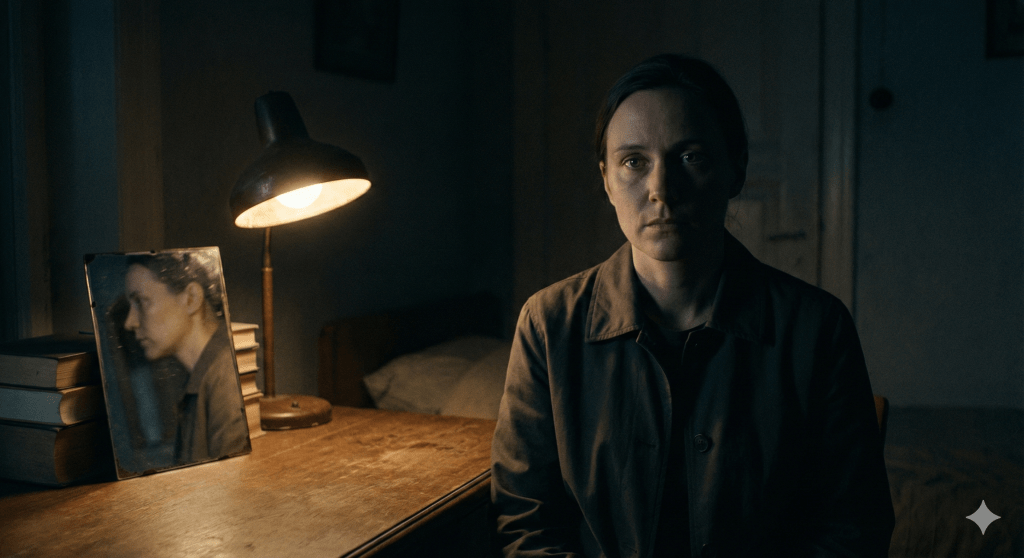
When it comes to storytelling, nothing pulls readers into a world quite like vivid, descriptive writing. It’s the secret sauce that turns ordinary prose into something magical. Descriptive writing isn’t just about piling on adjectives or painting a pretty picture—it’s about creating a sensory experience for your readers. By mastering descriptive writing techniques, you can make your stories not just readable but unforgettable.

So, let’s dive into how you can bring your stories to life using descriptive writing techniques, with a special focus on sensory writing.
The Power of Descriptive Writing
Descriptive writing is the foundation of great storytelling. It’s the difference between a flat, uninteresting narrative and a vivid, immersive experience. Think about your favorite book. Chances are, the reason it stands out is because the author used descriptive writing to create a world that felt real.
Imagine you’re writing a scene set in a forest. Instead of just saying, “It was a dark forest,” why not delve deeper? Describe how the thick canopy overhead blocks out most of the sunlight, making the forest floor a dim, shadowy place. Mention the damp earth beneath your character’s feet, the scent of pine in the air, and the distant sound of a stream bubbling over rocks. These sensory details will transport your readers into the scene, making them feel like they’re right there with your characters.
Using Sensory Details to Paint a Scene
One of the most effective ways to make your writing more descriptive is by incorporating sensory details. Sensory writing engages all five senses—sight, sound, smell, touch, and taste—to create a vivid picture in your reader’s mind. It’s not just about what the character sees; it’s about what they hear, smell, and feel as well.
Sight: The Visual World
Sight is the most commonly used sense in writing, but that doesn’t mean it should be mundane. Instead of saying, “The sky was blue,” describe the particular shade of blue—was it a soft, pastel blue like the early morning, or a deep, almost indigo blue just before dusk? Adding these details creates a more specific and engaging image.
Sound: The Audio Landscape
Sound adds another layer of realism to your scenes. Think about the different sounds in your environment and how they contribute to the mood. Are birds chirping in the background, or is there a deafening silence? These auditory clues help set the tone for your scene.
Smell: The Forgotten Sense
Smell is one of the most powerful senses when it comes to evoking memories and emotions, yet it’s often overlooked in writing. Describing smells can bring your scene to life in unexpected ways. Is the air thick with the scent of rain, or does the room smell like fresh-baked bread?
Touch: The Texture of Experience
Touch adds a tactile element to your writing, helping readers feel what your characters feel. Is the character’s hand brushing against rough bark, or are they sinking into a soft, plush carpet? These details add depth to your descriptions.
Taste: A Flavorful Detail
Taste is probably the least used sense in writing, but it can be incredibly effective when used correctly. Even if your scene doesn’t involve food, think about how you can incorporate taste. Maybe the character can taste the salt in the air by the ocean or the bitter tang of fear in their mouth.
Let’s say your character walks into a bakery. Instead of writing, “The bakery smelled good,” you might say, “The rich aroma of fresh bread mixed with the sweet scent of cinnamon rolls made her stomach rumble.” Suddenly, the scene is much more vivid and real, and your readers can almost smell that delicious bakery themselves.
Crafting Characters with Descriptive Language
Descriptive writing isn’t just for settings; it’s also a powerful tool for character development. How you describe your characters can reveal a lot about who they are and how they fit into your story.
Instead of saying, “She was nervous,” show it through her actions and sensory details: “Her hands trembled slightly as she fumbled with the delicate teacup, the cool porcelain a stark contrast to the warmth flooding her cheeks.” This approach allows readers to experience the character’s emotions rather than just being told about them.
Creating Vivid Descriptions
Creating vivid descriptions isn’t just about adding more words—it’s about choosing the right ones. It’s easy to fall into the trap of overloading your writing with adjectives, but sometimes, less is more. Focus on the specific details that will make your scene or character stand out.
For example, instead of saying, “He was tall and handsome,” you might describe the way his shadow stretched across the room or the way his smile seemed to light up the space around him. These details are more engaging and memorable for readers.
Descriptive Writing Do’s and Don’ts
While descriptive writing can enhance your story, it’s important to use it wisely. Here are a few do’s and don’ts to keep in mind:
Do: Be Specific
Specific details make your writing more vivid and engaging. Instead of describing a car as “old,” mention the rust on the fender or the way the engine sputters to life. These details create a clearer picture in the reader’s mind.
Don’t: Overdo It
While it’s important to be descriptive, too much detail can overwhelm your readers and slow down your story. Strike a balance between providing enough detail to create a vivid scene and keeping the story moving forward.
Do: Use Active Language
Active language makes your writing more dynamic and engaging. Instead of saying, “The cake was eaten by the children,” say, “The children devoured the cake.” This makes the sentence more immediate and vivid.
Don’t: Rely Solely on Adjectives
Adjectives are useful, but relying too heavily on them can make your writing feel cluttered. Instead, focus on using strong nouns and verbs to create a more powerful image.
Imagine describing a storm. Instead of saying, “The storm was very strong,” you could write, “The wind howled like a wild beast, and the rain lashed against the windows with relentless fury.” This description is not only more vivid, but it also conveys the intensity of the storm through specific, active language.
Making Your Writing More Engaging with Descriptive Techniques
Descriptive writing is all about creating a sensory experience for your readers. By using sensory details, crafting vivid descriptions, and developing characters through descriptive language, you can make your stories come alive. Remember, the goal is to engage your readers and immerse them in your world.
The next time you sit down to write, think about how you can use descriptive writing techniques to enhance your story. Whether it’s through the scent of rain, the sound of a distant train, or the texture of a rough woolen sweater, these details will make your writing more engaging and memorable.
Incorporate these tips into your writing routine, and watch as your stories transform from flat narratives into rich, immersive experiences that readers won’t soon forget. Happy writing!
Love these writing tips? Subscribe to my Medium profile for more in-depth articles, or join PassiveWriting.com for more FREE content. Let’s craft unforgettable stories together!