Unlock Inner Peace: 5 Mindfulness Writing Prompts for Self-Care and Mental Clarity
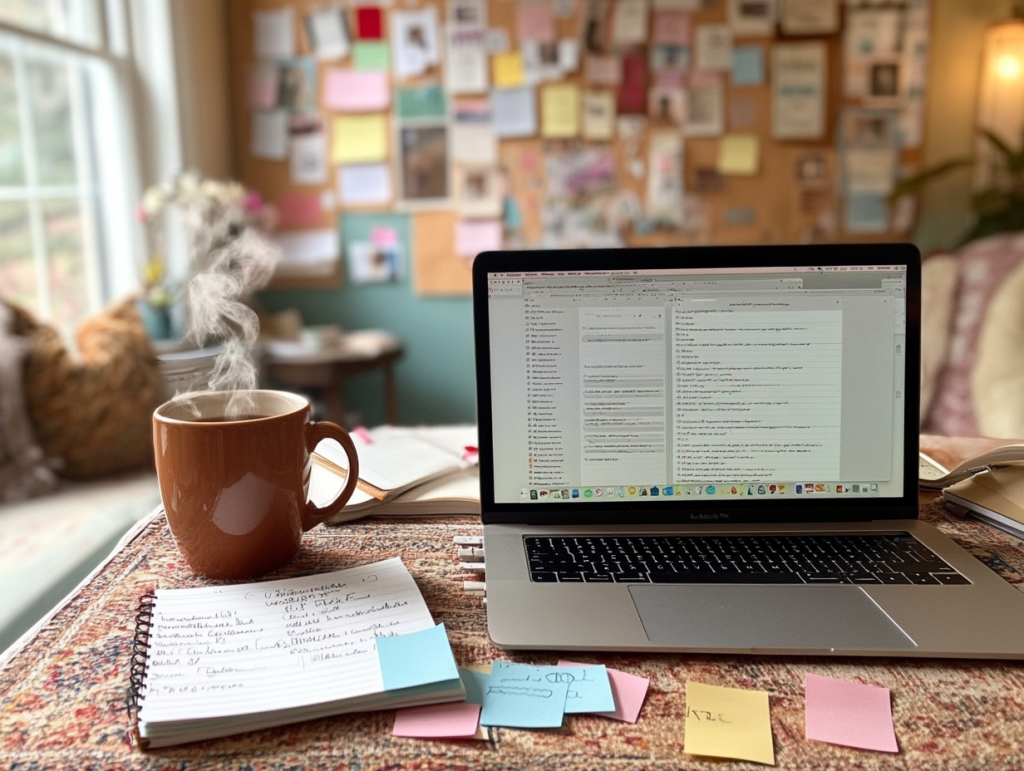
Writing can be a powerful form of self-care, especially when combined with mindfulness. Imagine sitting with a cup of tea, pen in hand, and letting your thoughts flow onto the page, all while staying present in the moment. Sounds calming, right? Well, that’s what mindfulness writing is all about—using writing as a tool to center yourself, reduce stress, and gain mental clarity.

In this post, we’re going to dive into writing prompts for mindfulness that can help you cultivate a deeper sense of self-awareness and improve your mental health. Along the way, I’ll share some real-life stories from friends who’ve used these practices to improve their own well-being.
What is Mindfulness Writing?
Mindfulness writing is the act of putting pen to paper (or fingers to keyboard) while staying fully present in the moment. Instead of focusing on creating the “perfect” piece of writing, the goal is to embrace the process of writing as a form of meditation. When done right, it’s a therapeutic practice that allows you to reflect, unwind, and reset.
Writing isn’t just about creativity or storytelling—it’s a form of self-care. My friend Sara, for instance, struggled with anxiety for years. She started practicing mindfulness writing as a way to manage her thoughts. She told me that every morning, she’d write down three things she was grateful for, followed by a stream-of-consciousness journal entry. The practice was simple, but over time, it helped her feel grounded and more in control of her emotions.
If Sara could benefit from this practice, so can you!
Why Writing as Self-Care Works
We all know that self-care is essential for maintaining mental and emotional health, but it’s not always about bubble baths and spa days. Sometimes, it’s about giving your mind the space to slow down and process your thoughts.
My friend James is a freelance writer who used to burn out regularly from juggling deadlines. He started using writing as a form of self-care, which helped him create mental boundaries between work and relaxation. James would spend just 10 minutes writing about how he felt at the end of each day. This simple act helped him clear his mind and approach his work with a fresher, calmer perspective the next morning.
You don’t need a lot of time to incorporate mindfulness writing into your life—just a few minutes each day can work wonders for your mental clarity.
5 Powerful Writing Prompts for Mindfulness and Mental Clarity
Let’s get into the good stuff! Here are five mindfulness writing prompts designed to help you relax, reflect, and regain mental clarity. These prompts can be done daily or whenever you feel the need to reset your mind.
1. “Describe a Moment Today When You Felt Completely at Peace.”
This prompt encourages you to reflect on a specific, peaceful moment in your day, no matter how small. It could be as simple as sitting by the window with a cup of coffee or feeling the sun on your face during a walk.
My friend Rachel tried this prompt after a particularly stressful week at work. She found herself writing about the sound of rain outside her window while she drank her morning tea. Focusing on this peaceful moment helped her realize that there were still calming, happy moments in her life, despite the chaos around her. It’s a great way to remind yourself of the little things that bring you joy.
2. “What’s Something You’re Grateful for Right Now?”
Gratitude is a powerful tool for shifting your mindset. This prompt helps you focus on the positives in your life, even when things seem overwhelming.
My buddy Liam used this prompt when he was going through a rough patch with his job. He wasn’t feeling great about his work, but writing about what he was grateful for—like his supportive partner and close-knit group of friends—gave him the perspective he needed to keep going. Focusing on gratitude can help you realize that even on tough days, there’s always something to appreciate.
3. “Write About a Time You Felt Truly Creative and Free.”
Think back to a time when you were in the flow—maybe you were writing, painting, or working on a passion project. This prompt helps reconnect you with your creative self.
My friend, Jenna, who’s a graphic designer, tried this one. She recalled a time when she was sketching designs for fun without any pressure from clients. Writing about that experience helped her tap into the joy of creating purely for herself, reminding her why she fell in love with design in the first place. Writing about creativity can rekindle your passion and help you find joy in the things you love.
4. “What Do You Need to Let Go of Right Now?”
Sometimes, we carry around emotions or stressors that weigh us down. This prompt encourages you to identify those feelings and release them through writing.
My friend Mike had a hard time moving past a recent argument with a close friend. Writing about the experience helped him process his feelings, and ultimately, he realized that holding onto the anger was only hurting him. Afterward, he felt more at peace and was able to approach the situation with a clearer mind. Writing can be an excellent way to release negative emotions and let go of the things that no longer serve you.
5. “What’s One Thing You Can Do for Yourself Today?”
This prompt helps you focus on self-care by asking you to identify one small thing you can do for yourself, whether it’s taking a short walk, reading a book, or enjoying a quiet cup of tea.
My friend Olivia used this prompt during a busy week, and it helped her realize that she hadn’t been making time for herself. She ended up setting aside 20 minutes each day to read a novel she’d been putting off. That small act of self-care made a huge difference in her mood and stress levels.
The Mental Health Benefits of Writing Prompts
You might be wondering, “How does simply writing help my mental health?” Well, studies have shown that expressive writing can reduce stress, boost mood, and even improve physical health. Writing prompts give you the structure to explore your emotions in a safe, productive way.
Take it from my friend Luke, who struggled with anxiety for years. He found that writing gave him an outlet for his thoughts, helping him process his emotions without judgment. Luke wasn’t a writer by trade, but by engaging in mindfulness writing, he noticed significant improvements in his mental clarity and emotional well-being.
Writing prompts for mindfulness offer a way to pause, reflect, and express yourself freely. They provide a sense of control and allow you to be fully present in the moment, which is key to mental clarity.
Tips for Getting the Most Out of Mindfulness Writing
- Set a Timer
Give yourself a set amount of time—like 10 or 15 minutes—to write. Knowing you have a specific window can help you focus and stay present. - Write Without Judgment
Don’t worry about grammar, structure, or whether what you’re writing “makes sense.” Mindfulness writing is about the process, not the result. - Find a Quiet Space
Create an environment that allows you to focus on your thoughts. Whether it’s a cozy corner in your home or a bench in the park, find a spot where you can write without distractions. - Be Consistent
Like any self-care routine, mindfulness writing is most effective when done regularly. Try incorporating it into your daily routine—maybe as part of your morning ritual or before bed. - Reflect on What You’ve Written
After your writing session, take a moment to read over what you’ve written. You might gain new insights or simply appreciate the act of slowing down.
Incorporating Writing as Self-Care in Your Daily Life
We often think of self-care as indulgent or time-consuming, but it doesn’t have to be. Writing is a simple, accessible way to care for your mental health, no matter how busy your life is. It’s about giving yourself the space to reflect, release, and reset.
If you’re feeling overwhelmed, try starting with just one of the prompts listed above. Remember, it’s not about perfection—it’s about progress and showing up for yourself, even if only for a few minutes each day.
My friends and I have all found solace and clarity through mindfulness writing, and I’m confident that you can too. Whether you’re writing to process emotions, reduce stress, or simply explore your thoughts, this practice can be a game-changer for your mental health.
Embrace Mindfulness Writing for a Healthier Mind
In a world that moves fast, it’s important to slow down and give your mind a break. Mindfulness writing provides that pause—a way to check in with yourself, reflect on your emotions, and clear your mind.
I hope these writing prompts for mindfulness help you find moments of peace and clarity. Remember, self-care isn’t selfish—it’s necessary for your well-being. So, grab a pen, find a quiet spot, and let your thoughts flow.
After all, your mental health deserves your time and attention.
I hope these mindfulness writing prompts help you on your journey to self-care and mental clarity! If you enjoyed this article and want more in-depth insights on how to turn writing into a tool for personal growth and passive income, be sure to subscribe to my blog at PassiveWriting.com. There, I share exclusive content on writing tips, freelancing advice, and strategies to earn passive income through your creative work.
Curious to learn more about my journey? Check out my About Me story on Medium where I dive into my experiences, passions, and writing adventures.
And if you’d like to connect directly, feel free to follow or reach out to me on LinkedIn. I’d love to connect and hear your thoughts or questions! Let’s continue this creative and self-care journey together.