
Exploring the Rise of Live Shopping, Social Commerce, and the Future of Digital Retail
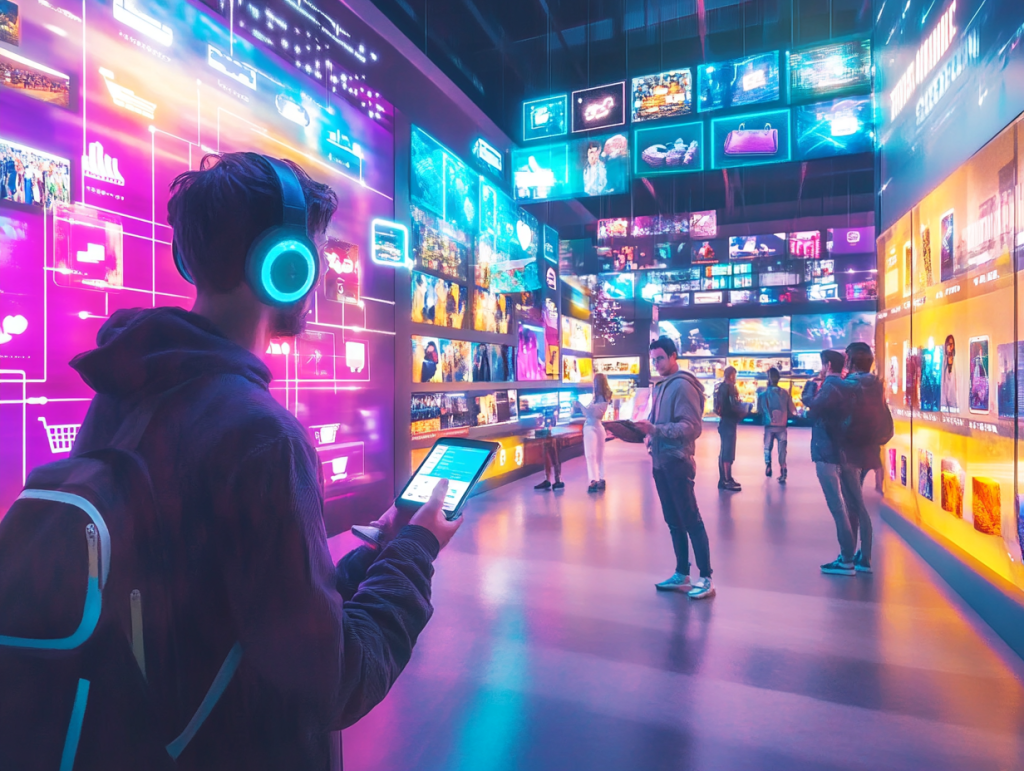
The world of e-commerce is constantly evolving, and live shopping is quickly becoming the next big thing. Whether you’re an entrepreneur, marketer, or just a curious consumer, understanding live shopping trends is essential for staying ahead in the digital marketplace. In this article, we’ll dive into the most exciting live shopping trends shaping the future of e-commerce and explore how social commerce strategies are redefining online retail. Along the way, I’ll share a few stories about my friends and their experiences in this space, making this a fun and insightful read. Let’s jump right in!
Live Streaming Sales: The Power of Real-Time Engagement
Live streaming sales—where brands and influencers sell products during a live broadcast—are taking the e-commerce world by storm. It’s a brilliant way to combine the excitement of live entertainment with shopping convenience. According to industry reports, live commerce is expected to generate over $500 billion in sales by 2025.
Mia, a close friend of mine, owns a boutique that sells sustainable fashion. Last year, she started experimenting with live stream shopping on Instagram, and it changed her entire business model. Every Friday night, she goes live to show off her latest products, answer questions, and interact directly with her audience. Mia has told me that sales from these streams often surpass what she makes on her website during the entire week! It’s amazing how something so simple as real-time engagement can have such a significant impact.
Pro Tip:
Start small—Mia began with just a few live streams on Instagram, then expanded to TikTok and Facebook. If you’re new to live commerce, start with a platform you’re comfortable with, and experiment with different time slots to see what works best for your audience.
Interactive Shopping Experiences: Merging E-commerce with Entertainment
One of the most exciting trends is the fusion of shopping and entertainment, known as “shoppertainment.” This trend is about creating interactive experiences for customers, blending storytelling, product demos, and games to keep people engaged. For instance, some brands allow viewers to vote on product colors or unlock exclusive discounts by participating in live polls during streams.
Jake, who runs an online electronics store, jumped on the interactive shopping bandwagon earlier this year. He hosted a live stream where he demonstrated new gadgets, and viewers could vote on which product feature he would showcase next. He told me that engagement was through the roof, and his audience loved the gamified experience. Even better, his sales during the stream were 30% higher than on a regular shopping day. Jake is now a firm believer in combining entertainment with shopping to capture and keep people’s attention.
Pro Tip:
Consider adding interactive elements like live polls, quizzes, or even live Q&A sessions to your shopping streams. These features not only boost engagement but also build a stronger connection between you and your customers.
The Rise of Social Commerce Platforms: Leveraging Social Networks for Sales
Social commerce is the integration of social media with e-commerce, and it’s growing rapidly. Platforms like Facebook, Instagram, and TikTok now have built-in shopping features that make it easy for users to purchase products without leaving the app. With social commerce, shopping becomes more intuitive, interactive, and immediate.
My friend Sarah, who is a freelance beauty consultant, has found massive success by leveraging social commerce platforms. She uses TikTok’s shopping features to promote her skincare line. Sarah creates fun, educational content that showcases how to use her products, and her followers can purchase directly through her TikTok profile. She mentioned that integrating her sales strategy with social media has saved her time, and she no longer needs to drive traffic to her website. Everything happens right there in-app, which has made her business much more efficient.
Pro Tip:
If you’re already active on social media, take advantage of these in-app shopping tools. Social commerce platforms can significantly reduce friction in the buying process and increase conversion rates by keeping customers within the platform.
Authentic Influencer Marketing in Live Commerce
Influencer marketing has been around for years, but it’s now evolving into something more interactive and dynamic—thanks to live shopping. Influencers can now sell products in real-time, showcasing their favorite brands and providing instant feedback on how to use them. The best part? This allows customers to feel like they’re shopping with a friend rather than just following an ad.
Naomi, another close friend of mine who runs a wellness brand, partnered with a lifestyle influencer for a live shopping event on YouTube. Together, they sold out her entire inventory of herbal teas in less than an hour. What worked so well, Naomi said, was the authenticity of the interaction. The influencer wasn’t just reading a script—she was genuinely excited about the product and used it herself during the stream. This level of authenticity made viewers trust the recommendation and boosted sales significantly.
Pro Tip:
Choose influencers who genuinely love your brand and product. Their enthusiasm and authentic interaction during live streams can help create a meaningful connection with your audience, leading to higher conversions.
Global Reach with Multi-Platform Streaming
As more consumers turn to live shopping, many brands are expanding their reach by streaming on multiple platforms simultaneously. Instead of limiting live shopping events to just one platform, brands can now broadcast across Instagram, Facebook, YouTube, and even their own websites, ensuring they capture the widest audience possible.
Mike, who sells custom-made jewelry, initially focused his live shopping efforts on Instagram. While he had decent sales, he noticed that many of his older customers weren’t using Instagram as much. So, he decided to stream his events on Facebook and YouTube as well. Mike told me that this strategy led to a 40% increase in sales because he was able to tap into different customer bases on each platform.
Pro Tip:
Don’t put all your eggs in one basket. By streaming across multiple platforms, you can reach diverse audiences and expand your market. Tools like Restream make it easy to broadcast to several platforms at once.
AI-Powered Shopping Assistants: Personalized Customer Experiences
Artificial intelligence (AI) is shaping the future of e-commerce, especially in live shopping. Brands are now incorporating AI-powered shopping assistants to provide personalized recommendations and real-time customer support during live streams. These AI tools can answer customer questions, suggest related products, and even offer discounts based on purchase behavior.
Emma, who runs an online home decor shop, started using an AI chatbot during her live streams. The chatbot automatically answered common customer questions about her products and even recommended complementary items based on what customers were viewing. Emma told me that the AI assistant not only improved the shopping experience but also freed up her time to focus on engaging with her viewers.
Pro Tip:
Consider using AI tools like chatbots or personalized recommendation engines to enhance the shopping experience. These tools can provide immediate assistance to customers and increase sales by offering tailored suggestions.
Sustainability in E-commerce: Conscious Consumerism on the Rise
One final trend shaping the future of e-commerce is the rise of sustainability and conscious consumerism. More shoppers are looking for eco-friendly products and brands that are transparent about their sustainability practices. Live shopping presents a unique opportunity for brands to showcase their green initiatives and connect with environmentally-conscious consumers.
Lisa, who sells handmade, eco-friendly candles, has made sustainability a core part of her live shopping strategy. During her streams, she talks about how her products are made from recycled materials and shares tips on how customers can repurpose their used candle jars. She also encourages her viewers to buy consciously and support small businesses like hers that prioritize sustainability. Lisa told me that this approach has resonated deeply with her audience, and her eco-friendly messaging has become a key selling point.
Pro Tip:
If your brand has a sustainability angle, use live shopping to highlight your efforts. Today’s consumers appreciate transparency and are more likely to support brands that share their values.
The future of e-commerce is incredibly exciting, especially with the rise of live shopping. From interactive experiences to AI-powered assistants, the possibilities are endless. As my friends’ stories show, embracing these live shopping trends can significantly boost your business and create a more engaging and personalized shopping experience for your customers.
By experimenting with these live commerce strategies and adopting innovative approaches like social commerce, brands can stay ahead of the curve and thrive in the ever-evolving digital retail landscape.
If you enjoyed exploring the future of e-commerce and live shopping trends, there’s so much more to discover! Subscribe to my blog at PassiveWriting.com for in-depth, informative articles on digital marketing, social commerce strategies, and more ways to grow your online business. If you’d like to know more about my journey and what inspires my writing, check out my personal story published on Medium: About Me — Kaspar Moon.
I love connecting with my readers, so feel free to follow me on LinkedIn or send me a message! You can reach me at my profile: Kaspar Moon on LinkedIn.