From Side Hustle to E-commerce: A Friendly Guide to Turning Your Digital Creations Into Profitable Products

If you’ve ever thought, “I have a knack for creating things, but how can I make money from it?” this guide is for you. Selling digital products online is one of the smartest ways to turn your creativity into income without the headache of shipping physical items. And trust me, it’s not as complicated as it sounds. I’ve been blogging for years, and I’ve seen many friends transform their hobbies into digital products that sell consistently online. In this guide, I’ll share everything I’ve learned, along with some of their personal stories, to make the process relatable and easy to follow.
What Are Digital Products?
Before we jump into how to sell them, let’s first get clear on what digital products are. Digital products are essentially any product that exists in digital form, meaning there’s no physical inventory to manage. This could be eBooks, digital art, online courses, printables, software, or even music files. Once created, they can be sold over and over again with little to no extra work.
Why digital products?
Well, the beauty lies in their scalability. You create it once, and it can be sold to hundreds or even thousands of people—without the need for constant reproduction. Sounds like a dream, right?
Picking the Right Digital Product to Sell
The first step in selling digital products is choosing what you’ll offer. A friend of mine, Sam, a graphic designer by day, had no idea he could turn his skill into a passive income stream. “I was just making digital art for fun,” Sam told me, “but then I found out people were selling similar designs as printables on Etsy and making good money. I figured, why not me?”
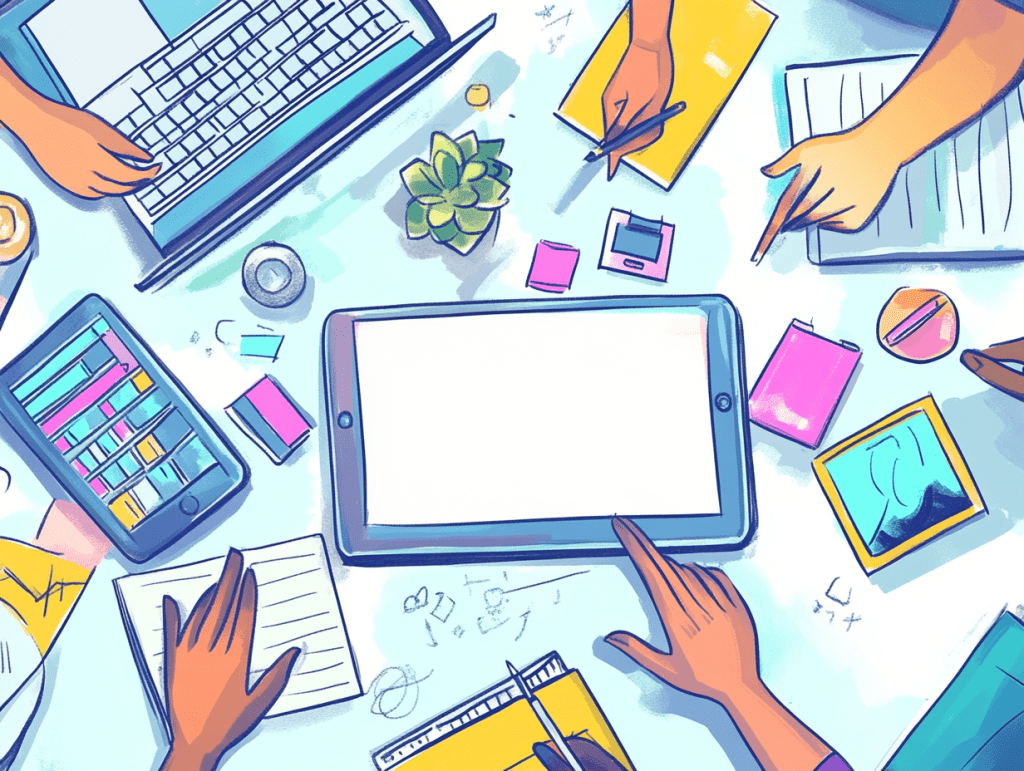
Like Sam, think about the skills or hobbies you already have. Are you great at writing? Consider creating eBooks or guides. Do you enjoy creating templates or planners? Those are huge sellers on platforms like Etsy. It’s all about leveraging what you’re already good at.
Some of the most popular types of digital products include:
- eBooks – Perfect for writers or subject matter experts.
- Online Courses – Ideal for those who want to teach something specific, like photography or business skills.
- Digital Art/Graphics – Excellent for designers and artists.
- Printables – Think planners, checklists, or invitations, great for DIY enthusiasts.
- Music/Audio – If you’re a musician or audio creator, platforms like Bandcamp allow you to sell your tracks directly.
Creating a Digital Product That People Will Buy
Now that you’ve decided what to sell, let’s talk about making it irresistible to buyers. Quality matters, but so does presentation.
When my friend Jess created her first online course about photography, she told me, “I thought I could just record some videos and be done. But then I realized people were paying for more than just information—they wanted a polished experience.” Jess invested in a good microphone, edited her videos carefully, and created accompanying materials like cheat sheets and templates.
Tips for Creating High-Quality Digital Products:
- Focus on Presentation: Use tools like Canva to make your eBooks, templates, and other visuals look professional.
- Test Your Product: Make sure your product is easy to use. If it’s a template, does it open properly in different software? If it’s an online course, are the videos clear?
- Get Feedback: Share early versions with friends or colleagues and ask for their honest opinions. Sometimes, a small tweak can make all the difference.
The Best Platforms to Sell Your Digital Products
Now, let’s talk about where you can actually sell these products. Not all platforms are created equal, so you’ll want to choose based on your needs.
1. Etsy
Etsy is a fantastic place to start if you’re selling things like printables, digital art, or even custom templates. It’s easy to use, and there’s a built-in audience actively searching for creative digital goods. Sam, my designer friend, has had great success here. “What I love about Etsy is how you don’t have to drive traffic yourself at the beginning,” he said. “People are already searching for what you’re offering.”
2. Gumroad
Gumroad is another excellent option, especially for creators selling eBooks, courses, or digital downloads. I personally love Gumroad because it’s so simple and user-friendly, both for sellers and buyers. Plus, it has a great pricing model—no monthly fees; they just take a small percentage of each sale. Jess used Gumroad for her photography course, and she appreciated the analytics dashboard that showed her exactly where her buyers were coming from.
3. Shopify
Shopify is best if you’re looking to build a full-fledged e-commerce store. With plugins like Digital Downloads, Shopify allows you to sell anything from music to eBooks. It’s more involved than Gumroad or Etsy, but if you want more control and branding options, it’s the way to go. One of my friends, Matt, created a Shopify store to sell his software tools. He said, “The setup was a bit more complex, but the customization made it worth it in the long run.”
4. Teachable and Udemy
Teachable and Udemy are go-to platforms if you’re planning to sell online courses. Teachable gives you more freedom to set prices and control the user experience, while Udemy helps you get access to a wider audience but takes a larger cut of sales. Jess initially started on Udemy but moved to Teachable when she wanted more control over her course sales. “Udemy was great to get the ball rolling, but Teachable let me build my brand,” she said.
Pricing Your Digital Products
One of the trickiest parts of selling digital products is figuring out how much to charge. You want to price your product high enough to reflect its value but low enough that people aren’t scared off.
Sam struggled with this when he first listed his printables on Etsy. “I was pricing way too low because I thought that’s what people wanted. But when I raised my prices, I actually got more sales because people perceived them as higher quality.”
Here’s how to approach pricing:
- Research competitors: Look at similar products in your niche and see what they’re charging.
- Consider the time and effort: Don’t undervalue the amount of time and work you put into your product.
- Test different prices: Start with a mid-range price and see how it performs. You can always adjust based on demand.
Marketing Your Digital Products
Creating a great digital product is just half the battle. The other half is getting people to buy it. You don’t need to be a marketing expert, but having a plan will significantly improve your chances of making sales.
Jess swears by email marketing. “I was skeptical at first, but building an email list has been the best thing I’ve done. People who sign up are genuinely interested in what I offer, and I’ve made so many sales through email campaigns.”
Other marketing strategies to consider:
- Social Media: Platforms like Instagram and Pinterest are fantastic for promoting visual products like digital art or printables.
- SEO: Make sure your product listings are optimized for search engines. This includes using the right keywords, like “digital products” or “sell digital products,” in your titles and descriptions.
- Affiliate Marketing: Partner with influencers or bloggers who can promote your product to their audience in exchange for a commission.
Final Thoughts on Selling Digital Products
Selling digital products can be a fantastic way to earn passive income, but like anything, it takes time to figure out what works best for you. Start small, experiment with different products and platforms, and most importantly—enjoy the process. Whether you’re creating printables on Etsy or launching a course on Teachable, there’s no limit to what you can achieve.
Remember, the key is to focus on delivering value and creating a product you’re proud of. If you do that, the sales will come naturally.
If you enjoyed this guide and want more in-depth articles that break down the world of passive income through writing, don’t forget to subscribe to my blog at PassiveWriting.com. It’s where I share even more valuable tips, insights, and real-life stories to help you turn your passion for writing into a profitable side hustle or even a full-time income stream.
Curious to know more about me? You can read my full story in the About Me Stories publication on Medium. It’s a personal glimpse into my journey as a writer and creator.
If you’ve found this article helpful and want to show your appreciation, consider leaving a small tip on my Ko-fi page. Every bit helps and goes a long way in supporting my writing. Your generosity means the world to me!
Finally, if you’d like to connect with me directly, feel free to follow or connect with me on LinkedIn. I’d love to hear from you!