
Exploring thriller fiction through dangerous first-person voices
I did not start writing from the killer’s perspective because it was shocking. I started because it felt honest. The first time I wrote a line in the voice of someone capable of murder, it did not sound like a monster. It sounded like a person justifying one bad decision after another. That was the moment I understood why true crime inspired fiction pulls us so close to the edge. When you write in first person, you do not observe the darkness. You breathe inside it.
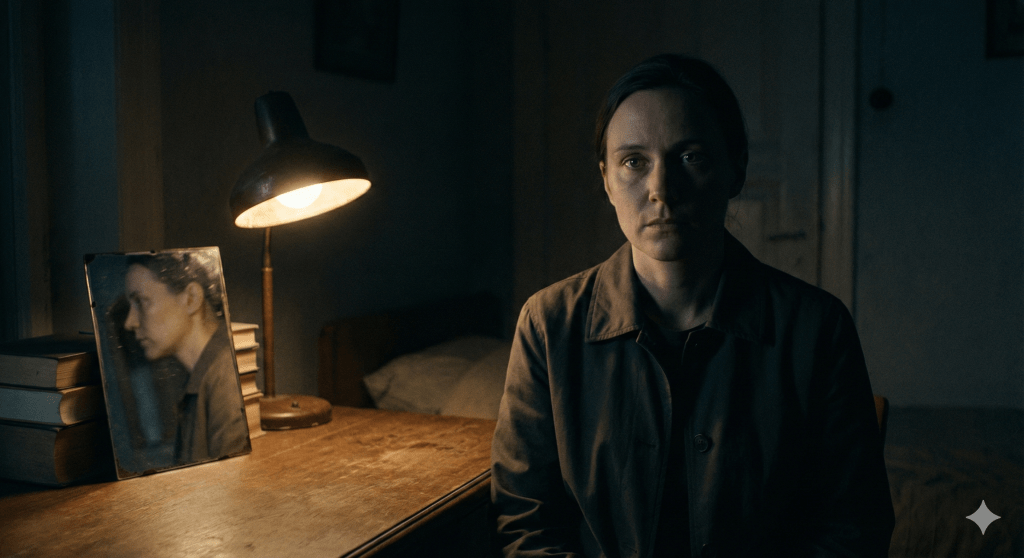
This article explores why I choose to write first-person psychological narratives from the killer’s point of view, how true crime shapes that choice, and why readers on Facebook and Wattpad keep leaning in, even when they know they should look away. It is not about glorifying violence. It is about understanding how easily the human mind can convince itself it is right.
Why the Killer’s Voice Feels Uncomfortably Real
True crime inspired fiction works best when it refuses to keep the reader safe. In first-person narration, there is no distance. The killer is not described from the outside. The killer speaks directly to you.
When I write these stories, I am not interested in gore or spectacle. I am interested in the quiet logic that convinces someone they are right. That logic is what true crime teaches us if we pay attention. Most real killers do not see themselves as villains. They see themselves as justified, wounded, ignored, misunderstood, or pushed too far.
Writing from that perspective creates an unsettling intimacy. The reader hears every excuse, every rationalization, and every moment where the narrator crosses a line and keeps going. It is similar to listening to real interrogation recordings or reading court transcripts, except fiction allows us to step inside the mind instead of standing outside it.
This is why first-person psychological narratives often hit harder than traditional thrillers. You are not chasing the killer through clues and evidence. You are walking beside them, sometimes agreeing with them before you realize what you have done.
True Crime as an Emotional Blueprint, Not a Template
I never copy real cases. That is not the goal. True crime inspired fiction is about emotional truth, not factual reenactment. I study patterns, not plots.
From true crime, I learn how people speak when they are hiding something, how memory shifts under pressure, and how guilt leaks through confidence. I learn how trauma shapes decision-making, and how obsession can feel like love inside the mind of the person experiencing it.
Those lessons shape my characters. A killer in my stories might post on Facebook, argue with family members, fall in love, doubt themselves, or write long internal monologues that sound disturbingly reasonable. That realism is what makes readers uneasy, especially when the story is written in first person.
On platforms like Facebook, where I publish short and mid-length English and Bengali thrillers, that closeness feels even stronger. Readers scroll past everyday posts and suddenly find themselves inside the thoughts of someone dangerous. The contrast makes the experience feel personal, almost invasive. You can find those ongoing stories here:
https://www.facebook.com/abusaeedmsayem
First-Person Narration as a Psychological Trap
Writing in first person is a commitment. You cannot lie to the reader without meaning to. Every sentence reveals character, even when the narrator is trying to hide.
In true crime inspired fiction, first-person narration becomes a trap for both the character and the reader. The killer explains, justifies, reframes. The reader listens. At some point, the reader realizes they understand too much.
This is where emotional tension truly lives. Not in the act of murder itself, but in the moments before and after. The waiting. The fear of being seen. The relief of getting away with something small. The slow escalation that feels inevitable when looking back.
On Wattpad, where long-form psychological thrillers thrive, this technique creates deeply loyal readers. They comment, speculate, argue with the narrator, and sometimes even defend them. That reaction tells me the voice is working. If you want to see how this unfolds across longer story arcs, my Wattpad stories are here:
https://www.wattpad.com/user/kasparmoon
Writing Across Platforms, One Mind, Many Voices
One question I am asked often is why I write these stories across different platforms. The answer is simple. Each platform changes how the killer’s voice is received.
On Facebook, the writing feels immediate. Posts appear between real lives, real arguments, family photos, and daily frustrations. A first-person psychological narrative there feels like a confession slipped into your feed.
On Wattpad, the same voice can unfold slowly. Chapters allow the killer to evolve, reveal layers, and contradict themselves over time. Readers track patterns, notice inconsistencies, and form theories.
On my main site, PassiveWriting.com, I step back from the fiction. I break down techniques, explore the craft behind psychological thrillers, and reflect on why certain stories resonate so deeply. It is where the writer analyzes the danger of getting too close to a fictional mind:
https://passivewriting.com/
Across all platforms, the core remains the same. True crime inspired fiction is not about solving a puzzle. It is about sitting inside a psyche long enough to feel uncomfortable.
The Ethical Line, Writing Without Glorifying
Writing from the perspective of a killer comes with responsibility. I am careful about what I romanticize and what I expose. The goal is not to excuse violence. The goal is to show how ordinary thinking can slide into something irreversible.
True crime teaches us that most horror does not arrive loudly. It arrives quietly, wrapped in logic, emotion, and self-justification. First-person psychological narratives make that truth impossible to ignore.
I often end stories without clean closure. That choice is intentional. Real cases rarely offer emotional satisfaction. By avoiding neat endings, the story lingers, forcing the reader to sit with what they have witnessed and felt.
This is why readers who enjoy true crime podcasts, documentaries, and long-form investigations often find themselves drawn to this type of fiction. It scratches the same itch, but it does so through empathy rather than evidence.
FAQ About Writing from a Killer’s Perspective
Why do readers enjoy true crime inspired fiction written in first person?
Because it creates intimacy. First-person narration places the reader inside the mind of the character, allowing emotional understanding without endorsement.
Is writing from the killer’s point of view meant to justify violence?
No. The purpose is to reveal psychological processes, not to excuse actions. Understanding motive is not the same as approval.
How is true crime inspired fiction different from true crime itself?
True crime focuses on facts and outcomes. True crime inspired fiction focuses on internal experience, emotional logic, and psychological tension.
Can first-person psychological narratives be unsettling for readers?
Yes. That discomfort is part of the design. It mirrors the unease people feel when confronting real human capacity for harm.
Writing from the perspective of a killer is not about shock. It is about honesty. It is about acknowledging that darkness does not always announce itself, and that the scariest voices often sound calm, reasonable, and familiar.
That is why I keep writing these stories across languages, platforms, and formats. Not to explain evil, but to sit with it long enough to understand how easily it can sound like us.
Where the Story Continues, If You’re Curious
If you enjoyed walking inside dangerous minds, this is where you can keep going, safely. On my blog at https://passivewriting.com, I break down the craft behind psychological thrillers, the thinking behind the darkness, and the writing lessons learned along the way.
If you enjoy thoughtful essays and reflections, my Medium profile at https://medium.com/@abusaeedsayem is where stories meet overanalysis.
For raw, ongoing English and Bengali thrillers written in real time, Facebook is home base:
https://www.facebook.com/abusaeedmsayem
Short thoughts and story sparks also appear on X:
https://x.com/abusaeedsayem
LinkedIn is where the writer briefly pretends to be professional:
https://www.linkedin.com/in/abusaeedsayem/
For finished stories and digital experiments, Gumroad lives here:
https://kasparmoon.gumroad.com
And if you want to disappear into long-form fiction, Wattpad already knows your name:
https://www.wattpad.com/user/kasparmoon







Leave a comment