
How red color symbolism in thrillers, chiaroscuro meaning in crime films, gothic symbolism in modern thrillers, and noir symbolism for writers shape desire and death.
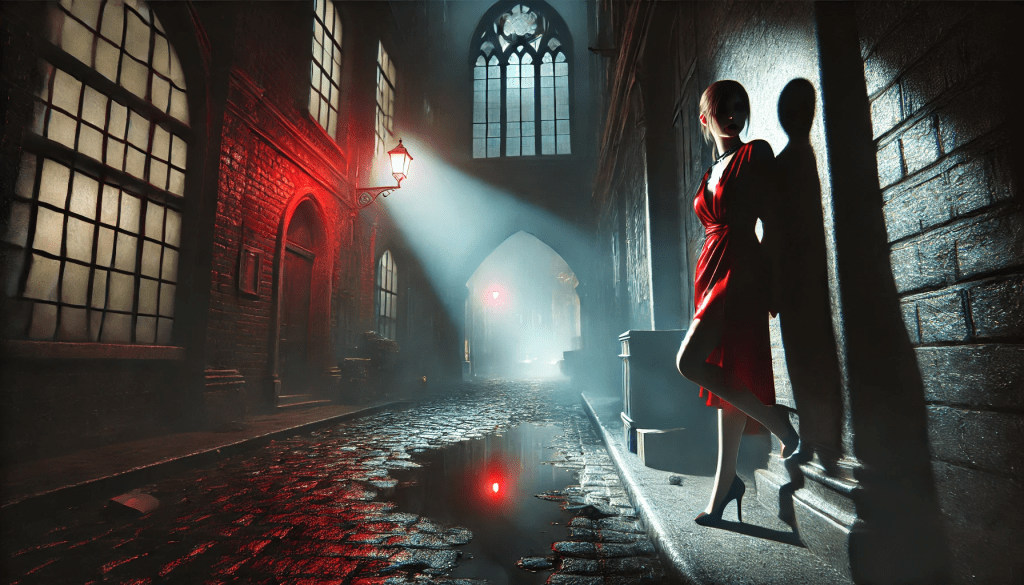
Have you ever noticed how a splash of red lipstick or the slow flicker of a shadow across a wall can feel louder than dialogue? Thrillers thrive on this kind of symbolic language. As a writer and lifelong fan of noir and crime films, I’ve learned that thrillers aren’t just about who pulled the trigger, they’re about how light, color, and silence pull us deeper into the story. The symbols we absorb, sometimes unconsciously, shape our emotions long before we realize why. When I write, I often think of these devices as secret accomplices, whispering in the margins.
Why Color and Shadow Matter in Thrillers
Thrillers live and die on atmosphere. You can tell a reader the detective is nervous, or you can place him in a red-lit hallway where every shadow stretches like a threat. The second choice lingers. Why? Because our brains are wired to connect color and shadow with survival cues.
- Red sparks urgency. In thrillers, it signals blood, lust, danger, or temptation.
- Shadows signal mystery. They hide faces, blur lines, and heighten suspicion.
- Gothic elements remind us of mortality. They carry the weight of old structures, haunting spaces, and emotional decay.
This interplay shapes the emotional texture of crime and erotic thrillers alike, where desire and death often run side by side.
Red Color Symbolism in Thrillers
Red is a tricky guest at the party. It shows up as lipstick, roses, police sirens, or blood on the floor, and each time it delivers a different emotional punch.
- Desire: Think of the iconic femme fatale, often painted with crimson lips. Red pulls us in, promising seduction.
- Violence: A gunshot wound bleeding across a white shirt tells us the cost of that desire.
- Power: Red dresses in thrillers aren’t just fabric, they’re declarations.
Example: In Brian De Palma’s Body Double, the color red becomes shorthand for danger masked as attraction. Even the neon glow of Los Angeles at night seems complicit, making the city itself part of the seduction.
When I write scenes, I use red sparingly, almost like seasoning. Too much, and it feels cheap. Just enough, and it hangs in the reader’s memory long after the page is turned.
Chiaroscuro Meaning in Crime Films
Chiaroscuro, the Italian term for “light-dark,” wasn’t born in cinema. Painters like Caravaggio used it to make saints glow against oppressive darkness. But crime films, especially film noir, turned it into narrative muscle.
- Shadows as character: In The Third Man, Vienna’s shadows feel as alive as Harry Lime himself.
- Contrast as conflict: Light and dark mirror moral ambiguity. Heroes are rarely spotless, villains are rarely pure black.
- Texture of tension: A lamplight on half a face tells us we’re seeing only part of the truth.
Writers can borrow this trick on the page. Instead of describing a character directly, you describe how light falls across them. A face partly hidden says more than a confession ever could.
Gothic Symbolism in Modern Thrillers
Gothic elements didn’t vanish with castles and candlelight. They just moved into apartments, suburbs, and neon-lit alleys.
- Decay in the modern age: Abandoned warehouses serve the same role as ruined abbeys once did.
- Atmosphere of dread: Fog, silence, and crumbling stairwells trigger unease, no matter the century.
- Desire against doom: Gothic always sets human longing against inevitable destruction.
Example: In Gillian Flynn’s Gone Girl, the suburban home itself becomes a gothic symbol, a house of secrets where marriage is as much a trap as any dungeon.
As a writer, I like to use gothic touches as a subtle nod to timeless fears. A cracked mirror in a sleek condo can feel as unnerving as bats in a belfry if framed right.
Noir Symbolism for Writers
Noir isn’t just a style, it’s a philosophy: life is messy, truth is slippery, and love can ruin you. Symbolism is its glue.
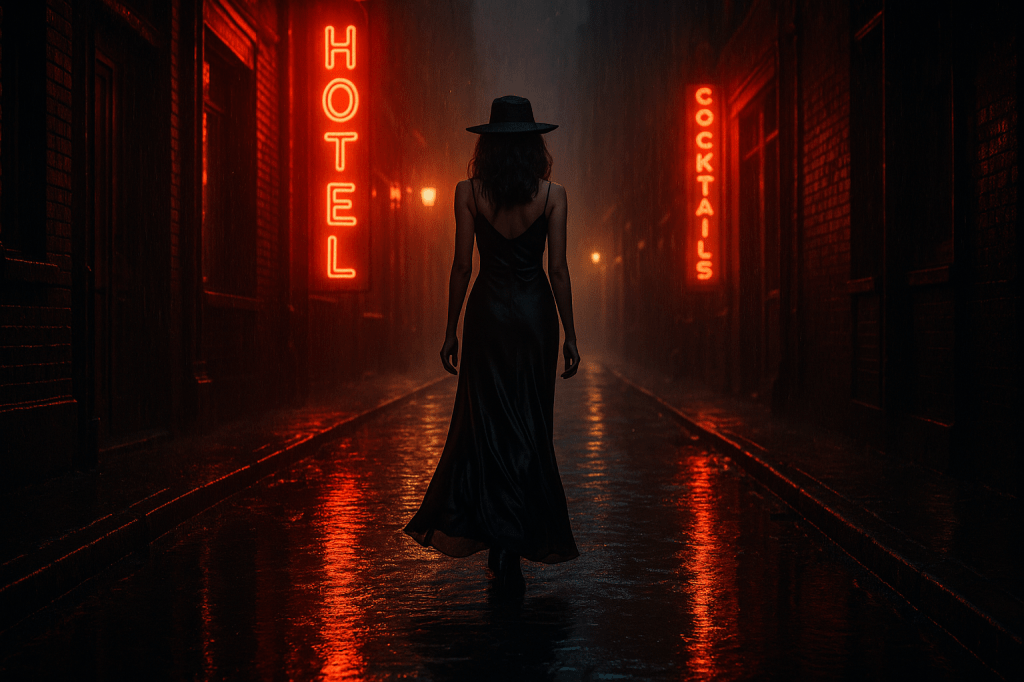
- The City: Neon signs blinking in rain feel like the city itself is plotting.
- The Femme Fatale: She’s not just a character, she’s a symbol of forbidden power.
- Objects as fate: A lighter, a letter, a cigarette pack—ordinary things that tilt destiny.
When I work on crime thrillers with erotic undertones, I lean heavily on noir symbolism because it naturally blends danger and desire. Every shadow, every red glint, becomes a chess piece in the emotional game.
Desire and Death as Twin Currents
All of these symbols—red, shadow, gothic ruin, noir cityscapes—circle back to one theme: desire and death are inseparable. A kiss in the rain can feel like salvation or a countdown. That duality is why readers keep turning pages.
Real-world psychology backs it. Studies show heightened fear increases arousal, and heightened arousal blurs into desire. Thrillers exploit this overlap by placing passion next to peril.
The result? A narrative cocktail that feels irresistible, even addictive.
Practical Tips for Writers
- Use Red with Purpose
Don’t splash it everywhere. Make it a marker of moments that change everything. - Think Like a Cameraman
Even on the page, describe how shadows cut across faces or objects. - Blend Old and New Gothic
You don’t need a castle. Use crumbling motels, rusting bridges, or silent shopping malls. - Objects as Anchors
Give symbolic weight to ordinary items. A broken locket can carry more meaning than a murder weapon. - Let Desire and Death Walk Together
Place intimate moments beside looming danger. The friction will do half your work.
Case Studies in Symbolic Thrillers
- Film: Double Indemnity – Red lipstick and venetian blinds frame desire and doom.
- Book: Rebecca by Daphne du Maurier – The gothic mansion becomes the shadow of a dead woman’s desire.
- Modern Example: Gone Girl – Marriage vows twisted into weapons, domestic life as gothic trap.
- Television: True Detective (Season 1) – Ritual symbolism in thrillers reaches mythic scale, turning Louisiana landscapes into a character.
These works prove the endurance of symbolism. Even when settings change, the archetypes stay sharp.
If you enjoyed exploring how shadows speak in thrillers, there’s an entire world of supporting reads waiting for you. Each article dives deeper into the cultural and symbolic layers that make erotic crime fiction unforgettable. Meet the timeless seductress in Femme Fatale Archetypes in Modern Thrillers. Explore desire and danger in Taboo Desire Themes in Erotic Fiction. Decode everyday objects in The Hidden Language of Symbolic Objects in Crime Novels. And sharpen your storytelling craft with Stealing Noir Secrets for Modern Stories. Each piece connects back to the core ideas in the pillar post, offering writers and readers alike a richer, darker journey into the heart of noir, desire, and symbolism.
FAQ Snippets
What does red symbolize in thrillers?
Red in thrillers often symbolizes desire, danger, violence, or power. It carries emotional intensity that lingers in both erotic and crime narratives.
What is the meaning of chiaroscuro in crime films?
Chiaroscuro refers to the interplay of light and dark. In crime films, it highlights moral ambiguity, mystery, and hidden truths.
How is gothic symbolism used in modern thrillers?
Modern thrillers use gothic symbolism in decayed buildings, psychological dread, and the contrast of beauty with destruction. It keeps the gothic tradition alive in new forms.
Why is the femme fatale such a powerful symbol?
She represents forbidden desire, danger wrapped in allure. Her presence forces characters to face temptation and its cost.
How can writers use symbolism in thrillers?
Writers can use color, shadow, objects, and archetypes as symbolic devices to deepen atmosphere and highlight themes of desire and death.
Closing
Thrillers are never just about solving crimes. They’re about the colors that burn in memory, the shadows that blur the truth, and the symbols that make us lean forward in our seats. Red, chiaroscuro, gothic decay, noir objects, they’re more than tools. They’re the language thrillers speak, and once you start noticing, you can’t unheard their whispers.
So, you’ve followed me through the twists and shadows of symbolism, red-lipped femme fatales, and the kind of eerie lighting that makes you glance twice at your own hallway lamp. Now here we are at that cozy moment where I invite you to step closer, because if you’ve enjoyed this journey, you and I have more to share.
Imagine this: instead of stumbling across my words by chance, every new article I write could simply appear in your inbox, like a familiar knock at the door. No searching, no remembering to check back. Just stories, ideas, and musings arriving right where you want them. All you need to do is subscribe to my latest posts on PassiveWriting. Think of it as reserving yourself a permanent seat in the front row, where the curtain never drops and the thrill always lingers.
Now, maybe you’re wondering, “Who is this voice weaving crime, desire, and shadows together with such a grin?” That’s where curiosity meets a little honesty. If you’d like to peek behind the curtain, to see not only the writer but the person—the messy notebooks, the creative detours, the reasons I can’t stop chasing stories—then wander over to About Me and My Works. It’s where I’ve laid out my journey in all its human detail, so you know exactly who’s guiding you through these dark, glittering corridors of fiction.
Of course, none of this magic keeps itself alive without a spark of support. Words take time, effort, and, frankly, more coffee than I’d like to admit. If my writing has brought you even a flicker of intrigue or a smile you didn’t expect, consider showing a touch of kindness. You can support my writing on Ko-fi with a small donation. Think of it as buying me the next cup of coffee that fuels another late-night chapter or symbolic analysis. A little generosity goes a long way in keeping these stories flowing.
And for those who don’t just want to read about symbolism but crave the raw, pulse-quickening experience of living inside a thriller, I have something special. Step fully into my storytelling world and discover my eBook “Blood Whispers: Silence Never Forgets”. It’s a dark psychological thriller crafted to keep you awake long after midnight, flipping pages with that familiar mix of dread and desire. If you’ve ever wanted a book that grabs you by the collar and refuses to let go, this one was written with you in mind.
So here’s my invitation: stay connected, explore my world, support when you can, and, most importantly, keep feeding that hunger for stories that flirt with shadows. I’ll keep writing them, as long as you’re here to read.





One response
[…] loved the way shadows, colors, and seduction shape thrillers, you might also enjoy my article Shadows Speak in Thrillers where symbolism takes center […]
LikeLike