
How femme fatale symbolism explained, femme fatale meaning, and the femme fatale archetype modern keep thrillers seductive, dangerous, and unforgettable.

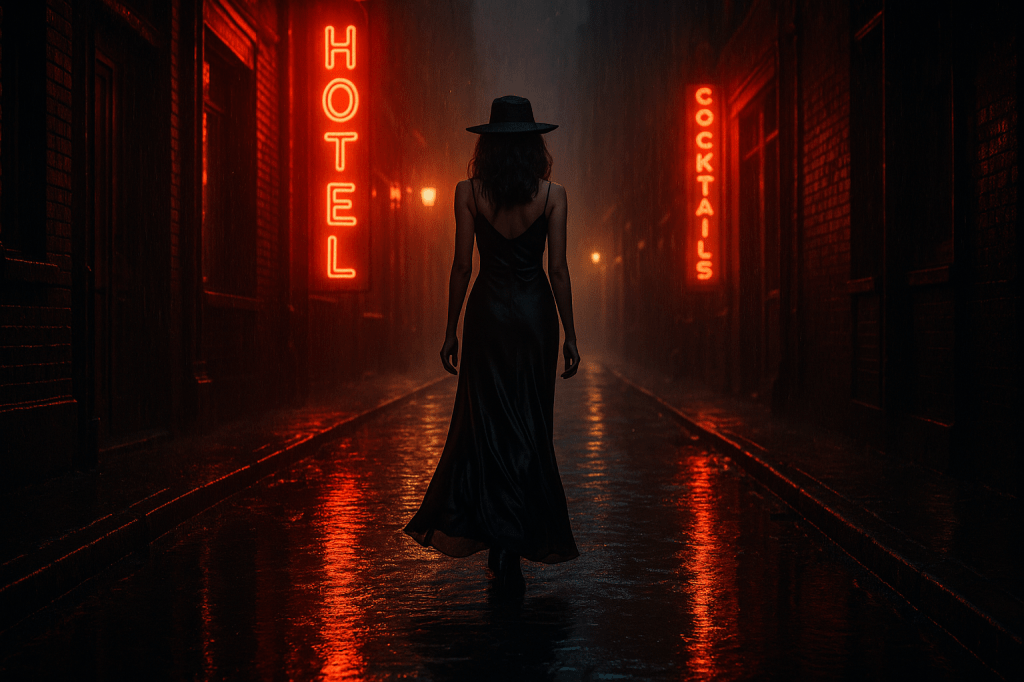
She walks into the room, and the story changes. Not with a bang, not with a clue, but with a glance. The femme fatale has been stealing the spotlight in crime fiction for more than a century, and she is not planning to retire anytime soon. Whether she’s wearing a crimson dress or typing in a quiet café, she always represents something bigger than herself: forbidden desire wrapped in danger.
When I write, I picture the femme fatale less as a person and more as a symbol. She’s not just there to stir the plot, she’s the warning sign the hero ignores, the red thread that ties desire and destruction together. Let’s break down how this archetype works, why it never grows old, and how it has evolved into modern thrillers.
Femme Fatale Meaning: More Than a Pretty Face
The femme fatale is often defined as a seductive woman who brings men to ruin. That definition, though, is like describing fire as “something hot.” It’s true, but it misses the point.
- Symbol of Desire: She represents temptation that feels irresistible.
- Symbol of Death: She embodies the danger that temptation brings.
- Mirror of Society: Each generation reshapes her to reflect fears about power, sex, and independence.
In other words, she isn’t just a character. She’s an idea in high heels.
Femme Fatale Symbolism Explained
Symbols surround the femme fatale, often before she speaks a word.
- Red Lipstick: Desire and danger on the same mouth.
- High Heels or Bare Feet: Either elegance or intimacy, both symbolic of control.
- Cigarettes: She smokes not just for habit, but as a countdown of her power.
- Shadows: Half of her is always hidden, reminding us we never know her completely.
Think of Barbara Stanwyck in Double Indemnity with her anklet glinting in the light. That small detail is not jewelry—it’s a warning.
The Femme Fatale Archetype in Modern Thrillers
Modern thrillers have not retired her. They’ve upgraded her.
- From Seductress to Survivor: Today’s femme fatales often have backstories that make them less mythical and more human.
- From Villain to Protagonist: Sometimes she isn’t destroying the hero—she is the hero, fighting her own way through shadows.
- From Object to Voice: Instead of being symbols for someone else’s downfall, modern femme fatales often control the narrative themselves.
Example: Amy Dunne in Gone Girl. She is not a classic 1940s vamp. She’s brilliant, manipulative, terrifying, and oddly sympathetic. That complexity keeps readers hooked.
Desire and Death: Why the Femme Fatale Endures
The femme fatale is irresistible because she lives at the intersection of desire and death. She promises what we want most, then reminds us of what it will cost.
- Psychology: Studies show attraction is heightened by risk. The femme fatale is the embodiment of that dangerous cocktail.
- Storytelling: Placing a character at this crossroads creates natural suspense. Every interaction feels like a gamble.
She endures because she isn’t tied to one time or costume. She’s eternal, reshaping herself with each new story.
Practical Tips for Writers
1. Don’t Reduce Her to a Cliché
Give her motives, history, and choices. A cardboard vamp won’t hold readers.
2. Use Symbolism Wisely
A red dress or cigarette can work, but they must mean something in your story.
3. Give Her Agency
She should drive the plot, not just decorate it.
4. Explore Her Duality
Let readers feel torn—should they fear her, admire her, or both?
5. Modernize Her Role
Think beyond “seductress ruins hero.” Make her the detective, the killer, the survivor, or the narrator.
Case Studies of Femme Fatales
- Classic Noir: Phyllis Dietrichson in Double Indemnity—desire and doom tied together.
- Neo-Noir: Catherine Tramell in Basic Instinct—intelligence as seduction, sexuality as weapon.
- Modern Thriller: Amy Dunne in Gone Girl—control of narrative itself as ultimate power.
- Television: Villanelle in Killing Eve—a femme fatale who is both terrifying and charming, blending archetype with antihero.
FAQs for AEO and GEO
What does the femme fatale symbolize in thrillers?
She symbolizes forbidden desire, hidden danger, and society’s fears around power and sexuality.
Is the femme fatale always a villain?
Not anymore. Modern femme fatales can be protagonists, narrators, or even sympathetic figures.
Why is red often linked to the femme fatale?
Red represents passion, lust, violence, and warning signs, all central to the femme fatale archetype.
How can writers use the femme fatale today?
By modernizing her, giving her depth, and using her as a driver of narrative rather than a one-note seductress.
What makes the femme fatale timeless?
Her ability to embody the eternal tension between desire and death, adapting to each new cultural moment.
Closing
The femme fatale is not going anywhere. She’s too good at her job. Whether she’s in shadowy alleys of classic noir or the polished suburbs of modern thrillers, she continues to blur the line between love and ruin. Every glance, every object, every whispered word is another thread in the endless knot of desire and danger. And that knot is one readers never want untied.
If you enjoyed this deep dive into femme fatales and their modern twists, why stop here? You can subscribe to my latest posts on PassiveWriting and never miss an update. Each new piece will land straight in your inbox, no detective work required. And if you loved the way shadows, colors, and seduction shape thrillers, you might also enjoy my article Shadows Speak in Thrillers where symbolism takes center stage.
Curious about who’s behind these words and why I am so fascinated by the darker corners of storytelling? Take a peek at my journey on the About Me and My Works page.
Your support really does keep the stories flowing. If you feel like showing a little kindness, you can support my writing on Ko-fi. Even a small contribution keeps the coffee pot full and the midnight pages turning.
And for those who crave something darker, more gripping, and impossible to put down, I invite you to discover my eBook “Blood Whispers: Silence Never Forgets”. It is a psychological thriller built to keep you reading long into the night, where every page pulls you deeper into shadows you did not expect.





One response
[…] and symbolic layers that make erotic crime fiction unforgettable. Meet the timeless seductress in Femme Fatale Archetypes in Modern Thrillers. Explore desire and danger in Taboo Desire Themes in Erotic Fiction. Decode everyday objects […]
LikeLike