Exploring how psychological thriller atmosphere grips readers with suspense and tension through mood, silence, and shadows
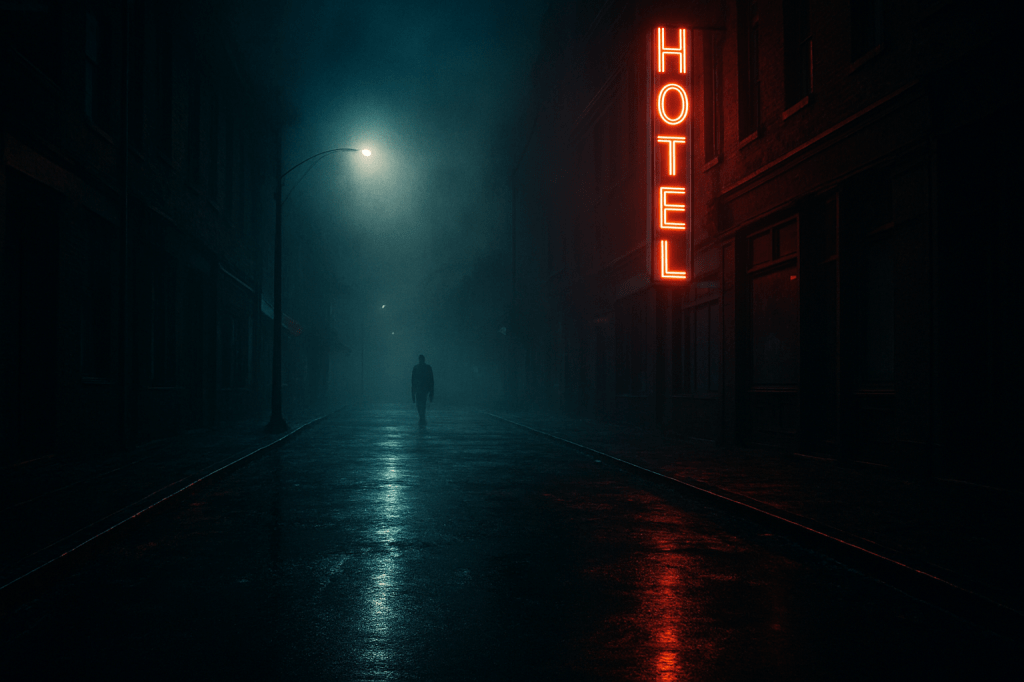
I still remember the first time I read a late-night psychological thriller with the window cracked open. The street outside was empty, yet I could swear I heard footsteps pacing the sidewalk. Nothing in the story jumped out at me. No gunshots, no chase, no screaming. Just silence, heavy with threat. That silence was the atmosphere, and it lingered long after I closed the book. It was then I realized that what terrifies me most isn’t what leaps out, but what breathes quietly in the background.
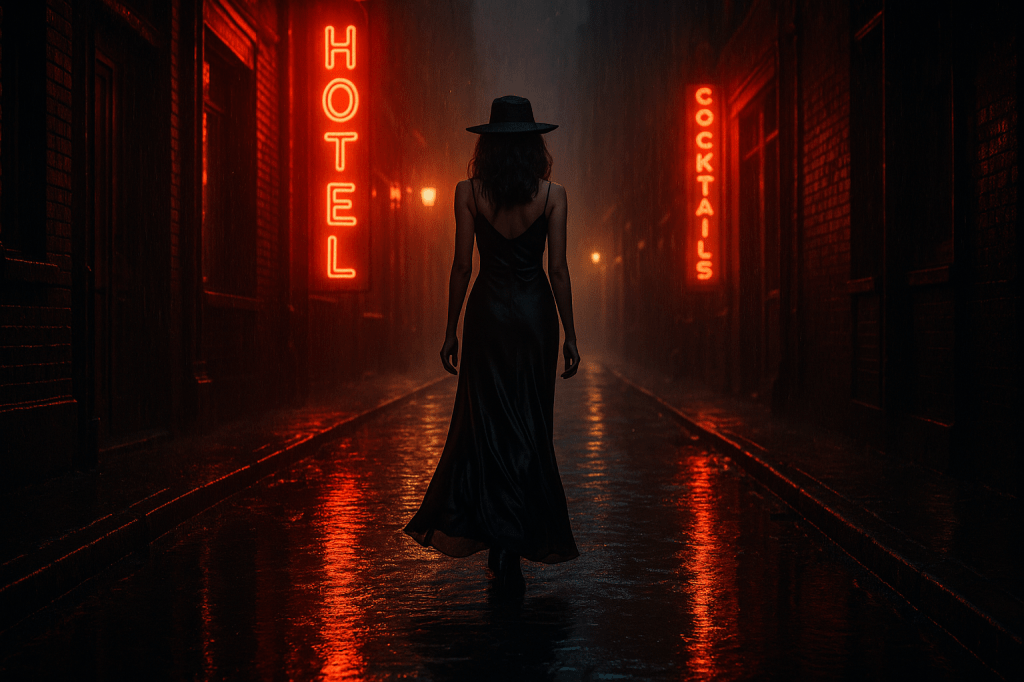
That’s the art of a psychological thriller atmosphere. It isn’t just about characters or plot. It’s about shadows that make the heart skip, a neon glow that turns ordinary streets into stage sets, or the way silence can sound louder than a scream. Let’s take a closer look at how atmosphere does the heavy lifting in these stories.
The Power of Psychological Thriller Atmosphere
Atmosphere in thrillers is more than scenery. It’s the invisible character that shapes every decision and reaction. Writers and filmmakers use it to control pacing, to build unease, and to keep readers glued to the page even when nothing obvious is happening.
In a psychological thriller, atmosphere is often subtle. A cracked door left half open, a faint radio static in the background, a streetlight flickering outside the window. Each detail contributes to a mood of uncertainty. This uncertainty feeds fear, because readers know something is wrong but can’t predict exactly what.
Readers don’t want the obvious. They want tension that feels personal. A well-crafted atmosphere gets under the skin and convinces us that danger could be hiding anywhere, even in places we thought were safe.
How Setting Shapes Suspense
Thrillers thrive on setting. Without the right backdrop, suspense loses its weight. Think of how an empty highway at midnight feels different from a crowded mall at noon. Both can be unsettling, but they create completely different tones.
- Urban landscapes: Neon-lit streets, alleys dripping with rain, or apartments where thin walls let secrets bleed through. These environments carry built-in tension. Every shadow hides a possibility.
- Small towns: A place where everyone knows everyone can feel claustrophobic. Secrets become heavier, gossip spreads faster, and isolation turns dangerous.
- Domestic interiors: Kitchens, bedrooms, and basements take on sinister layers when they host whispers or unexplained noises. The familiar becomes alien.
A good psychological thriller atmosphere makes us rethink how we see ordinary places. Suddenly, the hum of a refrigerator sounds like a pulse, or a child’s toy left on the stairs feels like bait.
Silence, Sound, and the Unseen
Sound often defines atmosphere as much as setting. Sometimes, it’s not the noises that matter but the spaces between them.
- Silence: In a thriller, silence isn’t empty. It’s waiting. The absence of noise heightens sensitivity, so every tiny detail feels magnified.
- Distorted sound: A broken record, static on the radio, or muffled voices can unsettle because they twist familiar sounds into something unnatural.
- Unexpected noise: A sudden creak, a dog barking outside, or a phone buzzing at the wrong moment can jolt readers and characters alike.
The unseen is just as powerful. Darkness hides detail, leaving the mind to invent threats. Writers exploit this by suggesting rather than showing. The monster never has to step into the light. The imagination fills in the blanks, often in ways more terrifying than anything explicit.
Character Psychology and Environment
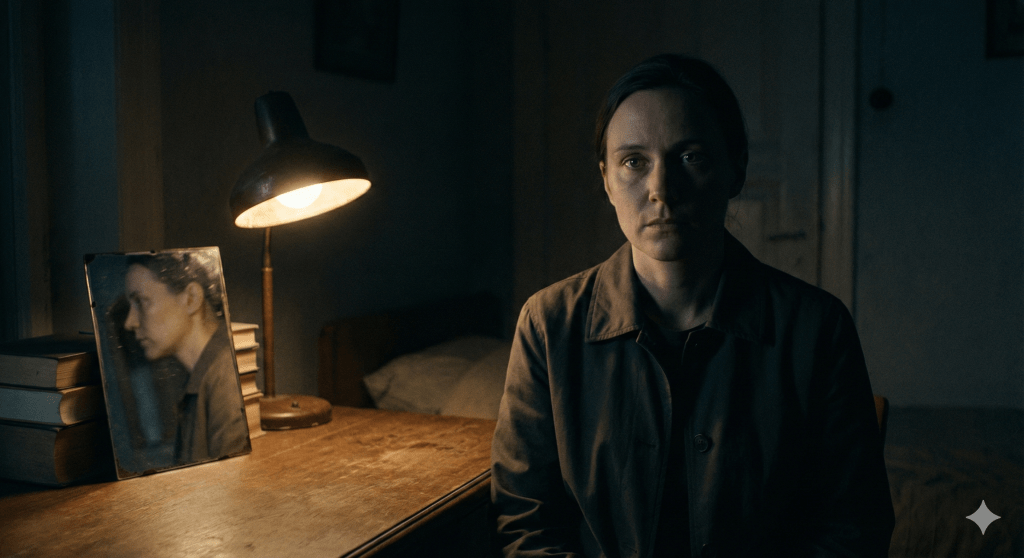
Atmosphere works best when it reflects character psychology. A paranoid character sees threats in every corner. A guilty character might hear whispers in empty rooms.
Writers use atmosphere to mirror the inner state of their characters. For example:
- A protagonist trapped in guilt might perceive even safe spaces as oppressive.
- A villain’s control over the setting can make readers feel powerless.
- A sudden change in atmosphere, like a brightly lit room plunging into darkness, mirrors the unpredictability of human fear.
In psychological thrillers, atmosphere and psychology are inseparable. The setting doesn’t just frame the story. It becomes a map of the character’s mental state.
FAQ About Psychological Thriller Atmosphere
Q: What makes atmosphere different from setting in thrillers?
A: Setting is the physical location, while atmosphere is the emotional weight attached to that location. A basement is a setting. A basement with dripping pipes, flickering lights, and an unexplained draft is atmosphere.
Q: Can psychological thrillers work without a strong atmosphere?
A: Rarely. Without atmosphere, suspense falls flat. Characters alone can’t hold tension unless the mood of their world supports the unease.
Q: How do writers create atmosphere without over-describing?
A: Focus on sensory detail. A single smell of cigarette smoke in a “non-smoking” space can unsettle more than a page of description.
Q: Are visual elements like neon lights essential to atmosphere?
A: No single element is essential. What matters is consistency. A neon glow works for a city noir, while candlelight or creaking wood might suit a rural thriller.
Q: Why does atmosphere linger with readers more than action scenes?
A: Atmosphere burrows into memory by shaping emotions. Readers forget car chases, but they remember the chill of a silent room where someone might be watching.
Why Atmosphere Is the Silent Protagonist
When done well, atmosphere feels alive. It doesn’t simply decorate the story. It directs it. Readers follow characters, but their emotions follow the environment.
The best psychological thrillers understand this balance. They slow down when needed, letting atmosphere do the work of building suspense without explosions or shouting matches. Darkness, silence, and suggestion become weapons.
When I write or read a thriller, I don’t just look for what happens next. I pay attention to what the air feels like before it happens. That’s where the real story lives, in the quiet spaces between heartbeats.
Step Into the Shadows With Me
If you enjoyed this little stroll through the eerie art of psychological thriller atmosphere, you don’t have to stop here. I keep plenty of secrets and stories tucked away across the web. You can catch more of my thoughts on Passive Writing Blog or wander through my darker musings on Medium. If you prefer quick updates, I’m active on Facebook, whispering on X, and scheming on LinkedIn. For those who like to collect stories that bite back, visit my Gumroad shelf. And if you’re ready to sink into full-length tales, you’ll find me haunting the pages of Wattpad. Wherever you choose to follow, just know the shadows will always be waiting.