Why Indie Authors Craft Darker, Bolder Psychological Thrillers That Challenge the Human Mind
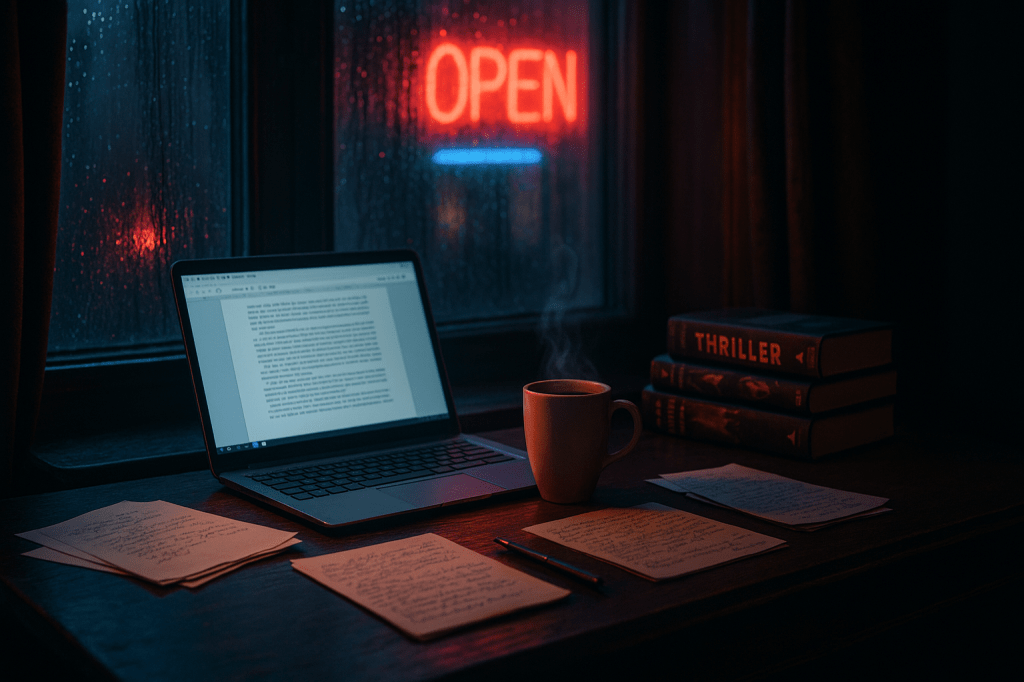
Every writer has a reason for stepping into the shadows. Mine started with curiosity. I wanted to understand why people do terrible things for seemingly ordinary reasons. When I began writing my first indie psychological thriller, I didn’t set out to shock anyone. I wanted to study silence, control, and guilt.
What surprised me was how easily readers connected with that darkness. They didn’t want clean resolutions or neat morals. They wanted stories that made them think, flinch, and sometimes question themselves. That’s the power of the indie author thriller, stories unfiltered by market trends, exploring the human mind without restraint.
The truth is, indie authors write darker, bolder psychological thrillers because we can. We aren’t shaped by corporate formulas or marketing departments. We write from the gut, the wound, and the sleepless hours between midnight and regret.
Breaking the Rules Without Apology
Traditional publishing often asks for balance. Don’t go too far. Don’t make readers uncomfortable. Don’t linger in the shadows too long. But indie writers, we thrive there.
When you write independently, you’re free to explore moral ambiguity and mental unraveling in ways that large publishers might avoid. The characters don’t have to be likable, the endings don’t have to be hopeful, and the story doesn’t have to fit into a tidy box labeled “commercially safe.”
Take a look at platforms like Reedsy Discovery or IndieReader. You’ll find thrillers where protagonists confess crimes halfway through the book, where villains narrate their own stories, and where reality and hallucination dance together. These works often blend psychological depth with the experimental freedom only indie authors dare to take.
The result is a genre reborn, gritty, daring, and deeply personal. Readers aren’t just entertained; they’re implicated. They become silent witnesses, sometimes even accomplices.
For many of us, it’s not about being shocking for the sake of attention. It’s about telling the truth in the most unsettling way possible. Because truth, especially emotional truth, rarely plays by the rules.
The Psychology of Writing Without Permission
Writing a thriller is already an exercise in control and chaos. Writing a psychological thriller as an indie author takes that a step further. You become the architect of fear, the therapist of your own characters, and sometimes, the unreliable narrator of your creative process.
When I work on a story, I often begin with a question that shouldn’t be asked. What happens when compassion turns into obsession? How much manipulation can be disguised as love? Indie authors don’t censor these questions; we chase them until they corner us.
Indie thrillers often go deeper into psychological realism because we’re not writing for committees. We can write scenes that stay quiet when traditional thrillers would explode. We can explore subtle forms of emotional abuse, power dynamics, and moral compromise without inserting a hero to save the day.
That’s what makes the indie author thriller so distinct. It’s written with creative vulnerability, not commercial safety nets. Readers sense that authenticity. They know they’re stepping into a mind unpolished by committee thinking, raw enough to make them uncomfortable.
Why Readers Crave the Darker Side
The modern reader isn’t afraid of complexity. In fact, they crave it. Streaming series, podcasts, and indie books have reshaped how audiences consume dark fiction. They don’t want simple villains or clear-cut justice anymore. They want moral tension, flawed narrators, and stories that reflect the chaos of real life.
Indie authors are in the perfect position to deliver that. Without strict page limits or publishing deadlines, we can build psychological layers that unfold slowly, like a confession.
Think of indie psychological thrillers as intimate experiences rather than spectacles. They don’t just scare you; they invite you in. You’re not watching a chase scene; you’re listening to the killer explain why he believes he’s innocent. You’re not reading about trauma; you’re experiencing the silence after it.
Readers of indie thrillers are emotionally brave. They want to understand the villain’s logic, not just fear it. They want to see how good intentions rot into corruption. This is why indie authors often focus on internal decay rather than external danger. The mind itself becomes the crime scene.
The Freedom to Fail, and Why It Matters
One of the most misunderstood strengths of indie authorship is the freedom to fail publicly. We can publish experimental work that defies structure, test new narrative forms, and evolve right in front of our audience. That’s terrifying and liberating.
Failure teaches precision. When you’re not writing to please a boardroom, you learn how to please honesty. You stop writing what you think people want to read, and start writing what you need to say. That’s where the boldest psychological thrillers are born.
Platforms like Gumroad have empowered indie authors to sell directly to readers. The exchange feels more personal. Readers don’t just buy a story; they support a creator’s evolution. That emotional investment fuels a deeper relationship between author and audience.
And when a reader messages you saying, “Your story messed with my head in the best way,” you realize that’s success, not sales figures, but impact.
The Rise of the Indie Thriller Voice
The indie thriller scene has become a global conversation. Authors from diverse backgrounds are challenging traditional ideas of morality and power. Some blend cultural trauma with psychological suspense. Others turn urban decay or digital isolation into narrative fuel.
Social media has become the new noir alley where authors and readers connect. You’ll find writers sharing fragments of new projects on Facebook, teasing storylines on X, or discussing creative struggles on LinkedIn. It’s not just marketing, it’s storytelling in motion.
This transparency changes everything. Readers see the writer not as a distant figure but as a flawed human documenting chaos in real time. It makes the experience of reading an indie thriller more immersive because you’re not just consuming fiction, you’re witnessing its birth.
Indie authors are not only shaping new genres but also redefining how literature exists online. Many of us experiment across mediums, blending blog essays, serialized fiction on Wattpad, and narrative soundscapes on podcasts. The indie space allows psychological storytelling to evolve beyond the page and into the digital imagination.
FAQ: Understanding the Indie Author Thriller
What makes an indie author thriller different from traditional thrillers?
An indie author thriller focuses on creative freedom and psychological depth. It often explores taboo or morally complex themes that mainstream publishers might avoid. The tone is more personal, experimental, and emotionally raw.
Why are indie psychological thrillers darker and bolder?
Because indie authors don’t have to censor their instincts. They can explore uncomfortable truths, unreliable narrators, and emotional intensity without worrying about marketability. Darkness becomes a storytelling language rather than a marketing label.
Do indie authors face more risks writing thrillers independently?
Yes, but those risks are artistic, not creative limits. Indie authors risk being misunderstood or overlooked, but they gain authenticity. The independence allows them to write what feels necessary, not just what sells.
Where can readers discover indie author thrillers?
Platforms like Reedsy Discovery, IndieReader, and direct stores like Gumroad feature indie works that push the boundaries of storytelling. Social platforms like X, Wattpad, and Medium are also excellent spaces to discover raw, unfiltered narratives.
What defines success for an indie thriller author?
Success isn’t measured in bestseller lists but in resonance. When a story unsettles, challenges, or comforts someone unexpectedly, that’s success. The best indie thrillers don’t aim for mass appeal. They aim for emotional truth.
The Truth Hiding in the Shadows
At the heart of every indie author thriller lies a kind of quiet defiance. We write about what others avoid, not to shock, but to understand.
We explore manipulation, silence, guilt, and power because these are the forces that shape every human life. The indie thriller isn’t about darkness for its own sake. It’s about honesty, the kind that doesn’t always flatter or forgive.
For many indie writers, creating dark psychological fiction isn’t a choice. It’s a necessity. We don’t write to escape reality. We write to dissect it.
And somewhere between fear and fascination, between art and obsession, the indie author finds freedom, the kind that no publishing contract could ever offer.
Step Into the Shadows With Me
If you’ve made it this far, you clearly enjoy wandering where stories get a little strange and the coffee never quite cools. So why stop here? You can find more of my twisted tales, writing insights, and creative ramblings on my blog at PassiveWriting.com or my Medium profile where I talk about writing, thrillers, and the chaos of creativity.
Come say hi on Facebook, share your theories on X, or connect with me on LinkedIn if you prefer your thrillers with a touch of professionalism.
For exclusive stories, eBooks, and behind-the-scenes content, visit my Gumroad page. And if you want to see my fiction unfold chapter by chapter, join me on Wattpad.
The shadows are just getting interesting. Come find me there.