Exploring how the unreliable narrator deepens tension in a Psychological Thriller
I’ve always believed that truth in a psychological thriller isn’t what’s said aloud, but what’s whispered between the lines. When I started writing Black Silk Red Neon, I wanted to create a story where the narrator’s voice itself became a crime scene. Every sentence, every pause, every choice of word carries a hidden fingerprint of doubt.
There’s something intoxicating about being pulled into a mind that may not tell you the whole story. You lean closer, start connecting dots, but then realize some of those dots don’t belong to the same picture at all. That’s when storytelling stops being safe and becomes a psychological game between writer and reader.
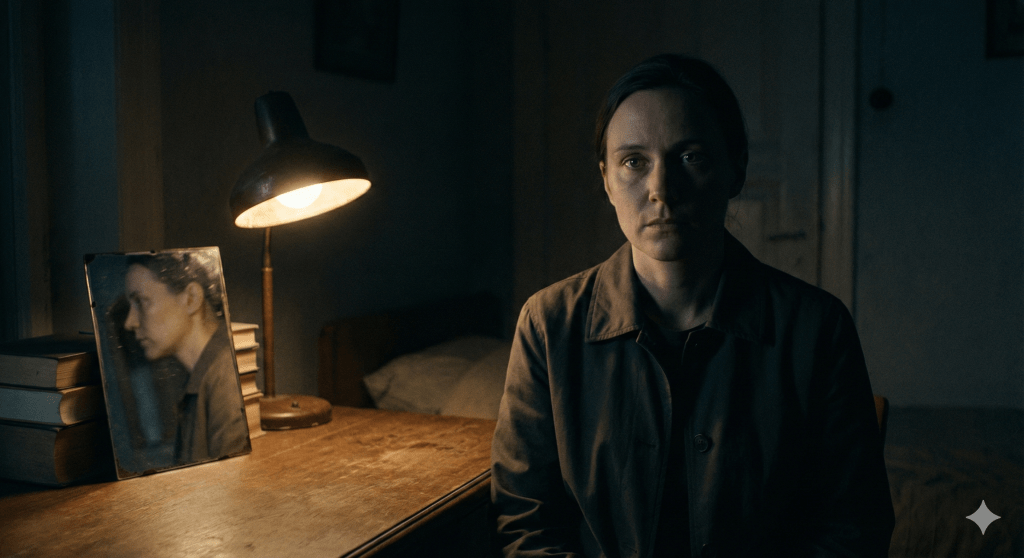
The unreliable narrator is not a liar for fun. They’re a mirror cracked in just the right places, reflecting pieces of truth distorted by fear, guilt, or obsession. And in a genre built on danger, what’s more dangerous than a voice that sounds trustworthy?
When Doubt Becomes the Story
A great unreliable narrator doesn’t simply confuse readers. They weaponize perspective. Think of classics like Gone Girl or Shutter Island, both stories invite you to follow someone you shouldn’t trust, yet you do. You have no choice.
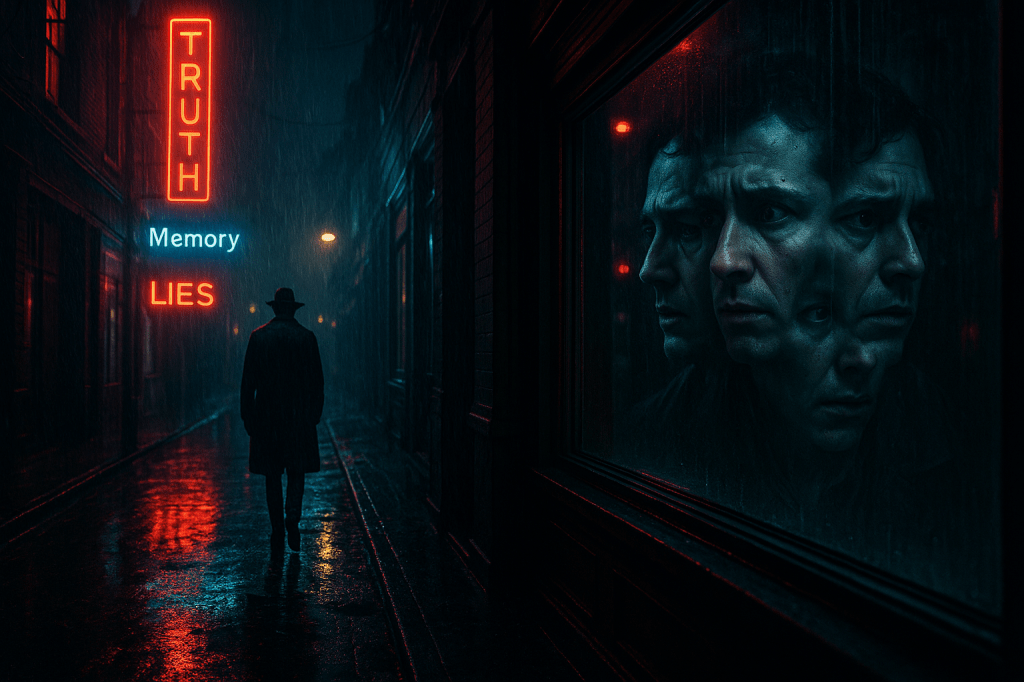
In Black Silk Red Neon, the narrator doesn’t just describe the world, she distorts it. Her emotions bleed into every detail, coloring what we see with her guilt and desire. When she walks through a rain-soaked alley, we can’t tell if the man watching her is real or a memory twisted by regret.
This uncertainty creates emotional friction. Readers become detectives, not just followers. They question motives, reread lines, and start feeling the same paranoia the characters feel. In a well-crafted unreliable narration, doubt itself becomes the heartbeat of the story.
When I was developing this story for Wattpad, I learned that the unreliable voice doesn’t have to shout to unsettle. It whispers, hesitates, contradicts itself. It lets silence speak.
The Fine Line Between Confession and Manipulation
A narrator can make readers love them, then betray them with the same breath. That’s the power of manipulation through intimacy.
Writers often mistake the unreliable narrator for someone who’s simply dishonest. But dishonesty isn’t what grips us, it’s emotional truth cloaked in deception. The reader must sense sincerity even in the lies. They should feel that the narrator believes what they’re saying.
In Black Silk Red Neon, the protagonist isn’t trying to fool the audience. She’s trying to survive her own memories. Her unreliability comes from trauma, not trickery. The line between confession and manipulation blurs, making her both victim and suspect.
That’s what keeps readers up at night. They don’t just wonder what happened, they wonder who to believe, who to forgive, and whether truth even matters when survival is on the line.
Building Suspense Through Limited Vision
Writing craft often teaches us about “show, don’t tell.” But with unreliable narrators, we manipulate what’s shown.
- Selective detail: Describe only what the narrator chooses to notice.
- Contradictory emotions: Let their feelings shift faster than reason.
- Memory gaps: Use omission as a narrative device. What they don’t say is louder than what they admit.
- Subtle clues: Plant quiet inconsistencies, a name slightly changed, a time that doesn’t add up, a conversation recalled differently later.
In my writing process, I think of it like a dimly lit street under neon rainlight. You can see outlines and reflections, but not the whole picture. You trust what your eyes show you until the reflection moves on its own.
Suspense thrives when readers realize they’re chasing a ghost of truth through a maze built by someone else’s mind. The unreliable narrator hands you the map but keeps the real directions folded in their pocket.
The Emotional Core: Empathy Amid Deception
Despite the lies, unreliable narrators demand empathy. They show how memory, trauma, and guilt reshape perception. Their lies often protect something fragile.
In Black Silk Red Neon, beneath the flickering signs and cigarette smoke, the story isn’t about deceit. It’s about survival. It’s about a woman who cannot face what she’s done, so she narrates her world in fragments that feel safer than truth.
This duality, between confession and concealment, is what transforms a thriller into a psychological labyrinth. Readers begin by judging her. By the end, they’re protecting her.
That’s the emotional alchemy of unreliability. It doesn’t push readers away, it pulls them deeper into the mind they should fear.
Why Writers Need Unreliable Narrators
From a writing craft perspective, unreliable narration teaches control. It trains you to:
- Master tone: A single shift in tone can reveal instability or hidden emotion.
- Balance empathy and suspicion: Keep readers emotionally invested while feeding their doubt.
- Use structure as storytelling: Flashbacks, fragmented dialogue, or missing timestamps all reinforce instability.
- Write with dual awareness: The narrator tells one story, but the subtext tells another.
If you want to explore how to construct complex narration styles like this, I share techniques and behind-the-scenes reflections on PassiveWriting.com. Writing an unreliable narrator is like walking a tightrope blindfolded. You lean into imbalance, and somehow, it feels more real than perfect balance ever could.
FAQ: Writing the Unreliable Narrator in a Thriller
Q1: What defines an unreliable narrator?
An unreliable narrator is one whose perception, honesty, or interpretation of events is questionable. Their unreliability can come from trauma, bias, manipulation, or even mental decline.
Q2: How does an unreliable narrator enhance a thriller?
They amplify tension by making readers question what’s real. The lack of certainty creates psychological unease and emotional depth.
Q3: Should readers eventually learn the full truth?
Not necessarily. Sometimes ambiguity itself is the point. The emotional impact of not knowing often lingers longer than resolution.
Q4: How can I write one without confusing the reader?
Clarity in purpose matters. Readers should feel disoriented emotionally, not narratively. Keep the structure coherent even if the truth is fragmented.
Q5: Where can I read an example of an unreliable narrator done well?
You can explore Black Silk Red Neon on Wattpad, where every reflection feels slightly wrong, and every memory might be a confession disguised as story.
The Last Word: Trust the Lie That Tells the Truth
Every narrator tells a story to protect something, sometimes their sanity, sometimes their guilt. The unreliable voice reminds us that storytelling is never objective. It’s human, messy, emotional, and fragile.
When you walk through the rainlit streets of Black Silk Red Neon, you’ll hear that voice echoing between the alley walls. It doesn’t plead for your trust. It dares you to question it.
And maybe that’s the true power of the unreliable narrator in psychological thrillers. They don’t hide the truth. They make us realize we never really wanted it in the first place.
Step Into the Shadows with Me
If you’ve enjoyed wandering through the mind of an unreliable narrator, you’ll fit right in with my creative chaos. I spill my thoughts, theories, and thrilling mistakes on PassiveWriting.com and dive deeper into the craft of storytelling on Medium.
Want behind-the-scenes glimpses, story drops, or random musings about why villains always get the best lines? Follow me on Facebook, X, and LinkedIn.
If you prefer collecting stories like secrets, check out my Gumroad page for digital reads and exclusive releases, or lose yourself in the fiction vault on Wattpad.